Articles
Overlooked images, strange histories, and visual stories selected for feeling, not fashion.
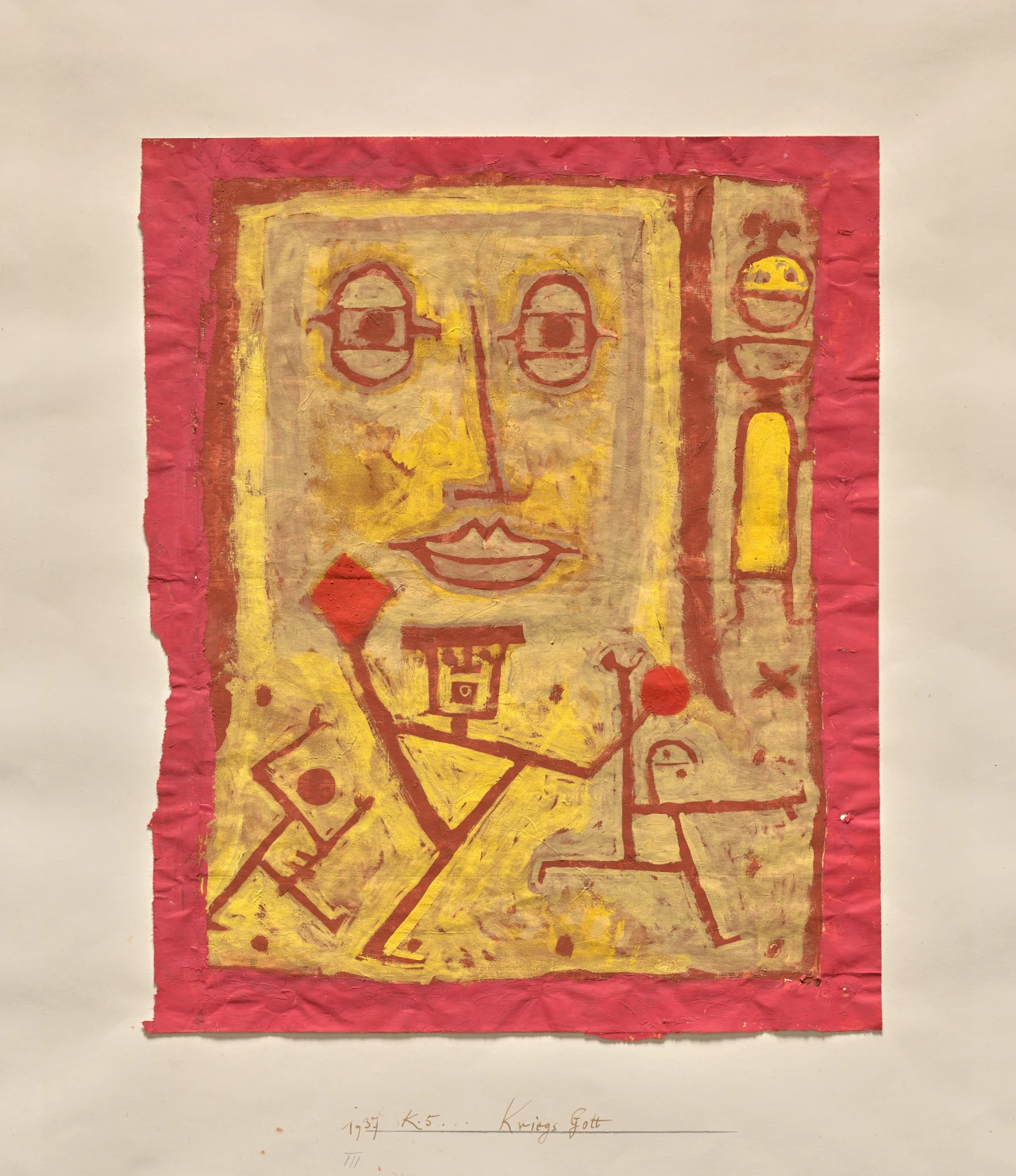
The Small God of War
In Paul Klee’s 1937 <em>God of War</em>, an enormous face cannot make a fragile field of figures obey.
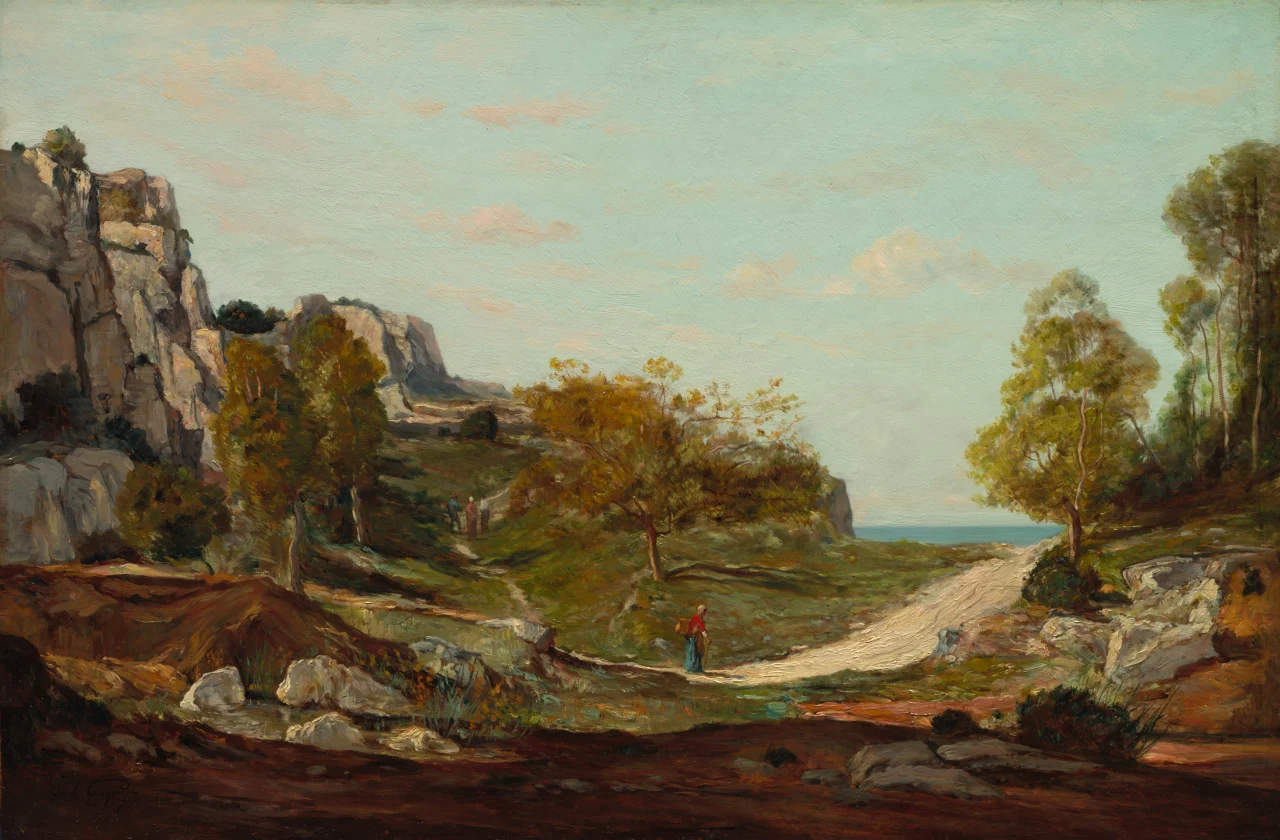
Where the Road Holds the Light
In Paul Guigou’s Landscape at Saint-André, Near Marseilles, c. 1865, a bright road leads toward the sea while keeping the eye close to the stony ground.
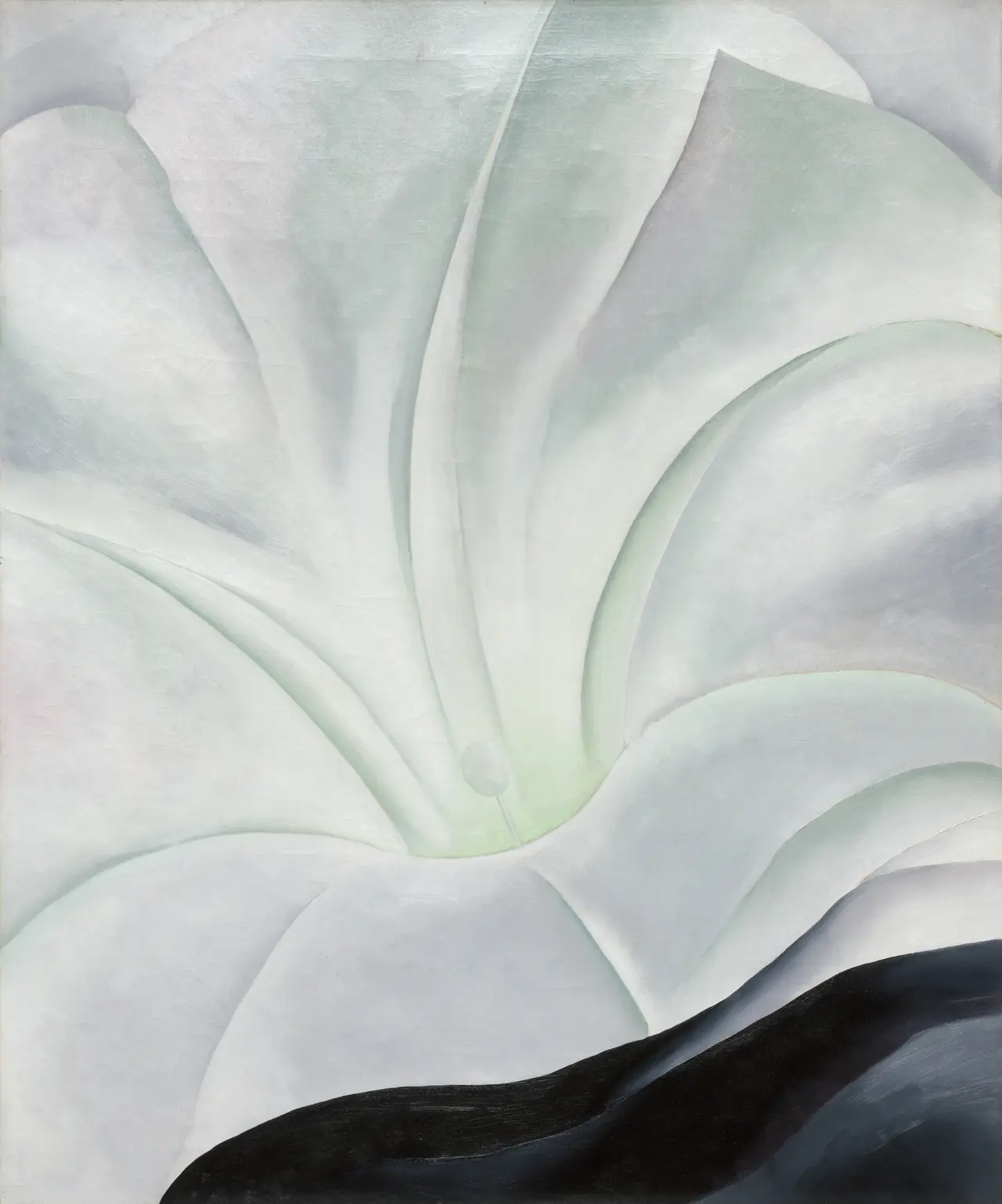
The Black That Holds the Flower Open
Georgia O'Keeffe's Morning Glory with Black, 1926, uses a single dark wedge to give a pale, short lived bloom the weight to stay.
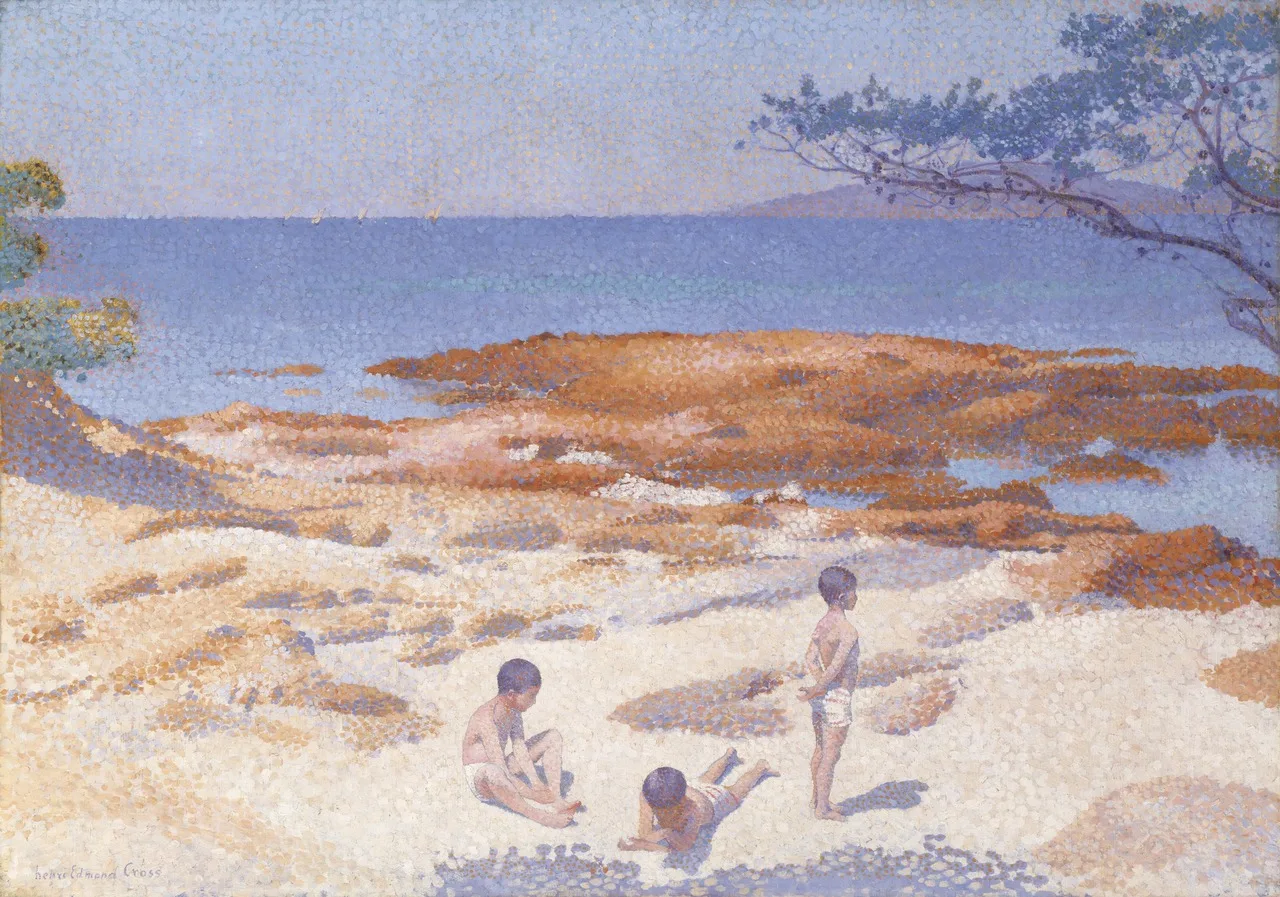
A Shore Made of Distance
Henri Edmond Cross builds a Mediterranean beach from separate touches of color that gather into sand, sea, and sky.
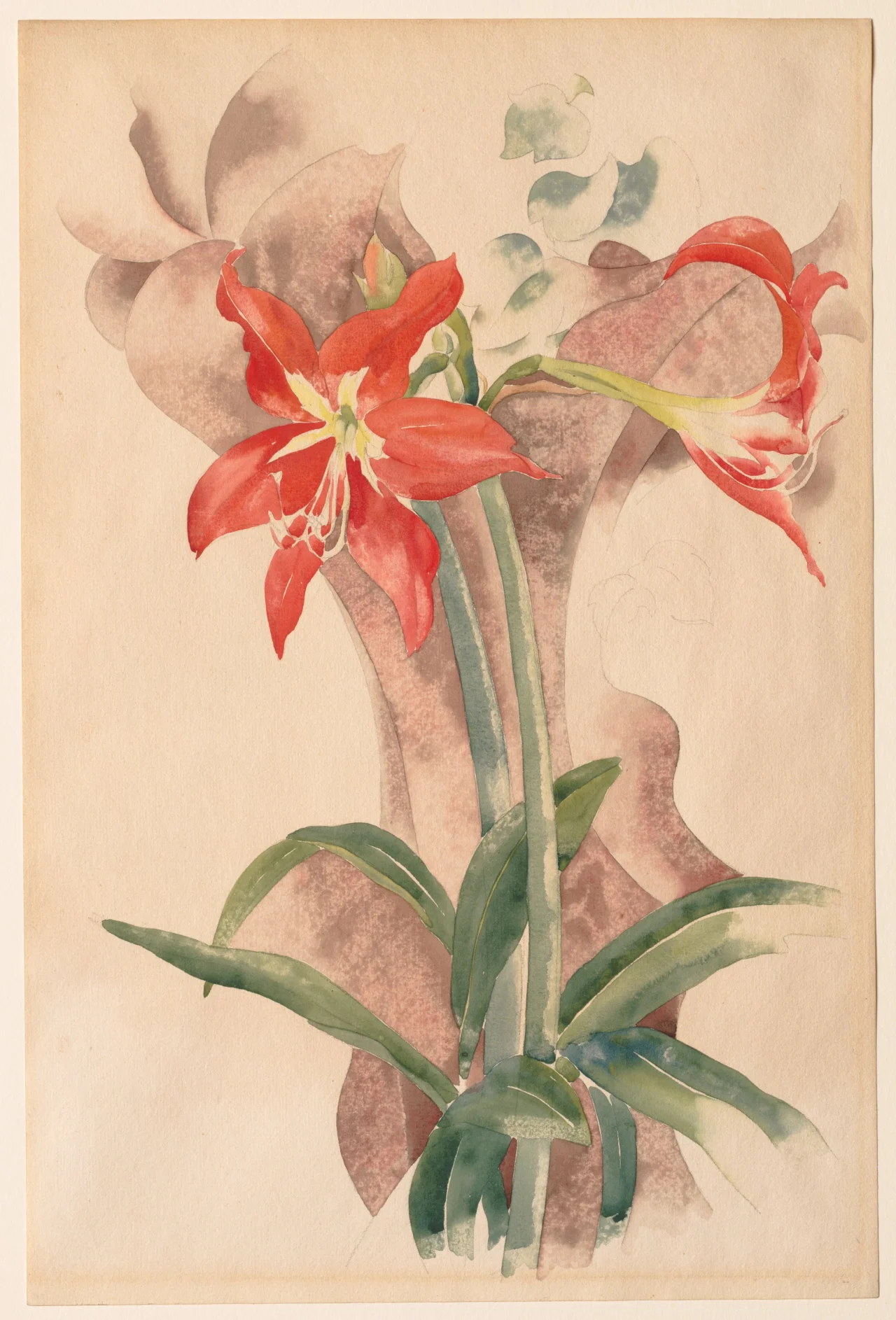
The Paper That Holds the Flower Up
Charles Demuth’s Amaryllis, c. 1923, shows how a sick-room watercolor built a modern architecture from reserve, graphite, and blotted light.
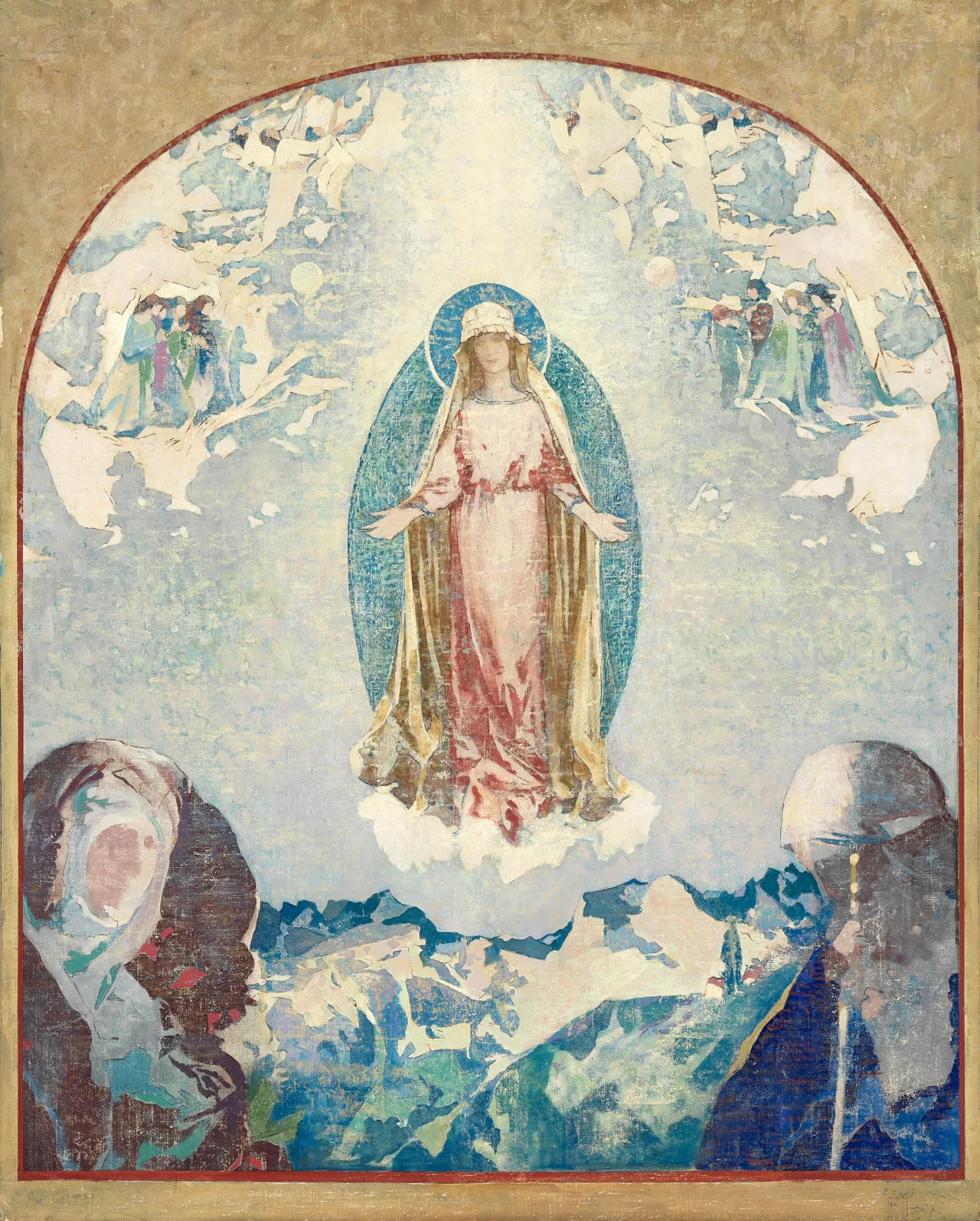
The Still Arch and the Broken Ground
Augustus Vincent Tack’s Rosa Mystica holds a frontal Virgin inside a field of fractured blue.
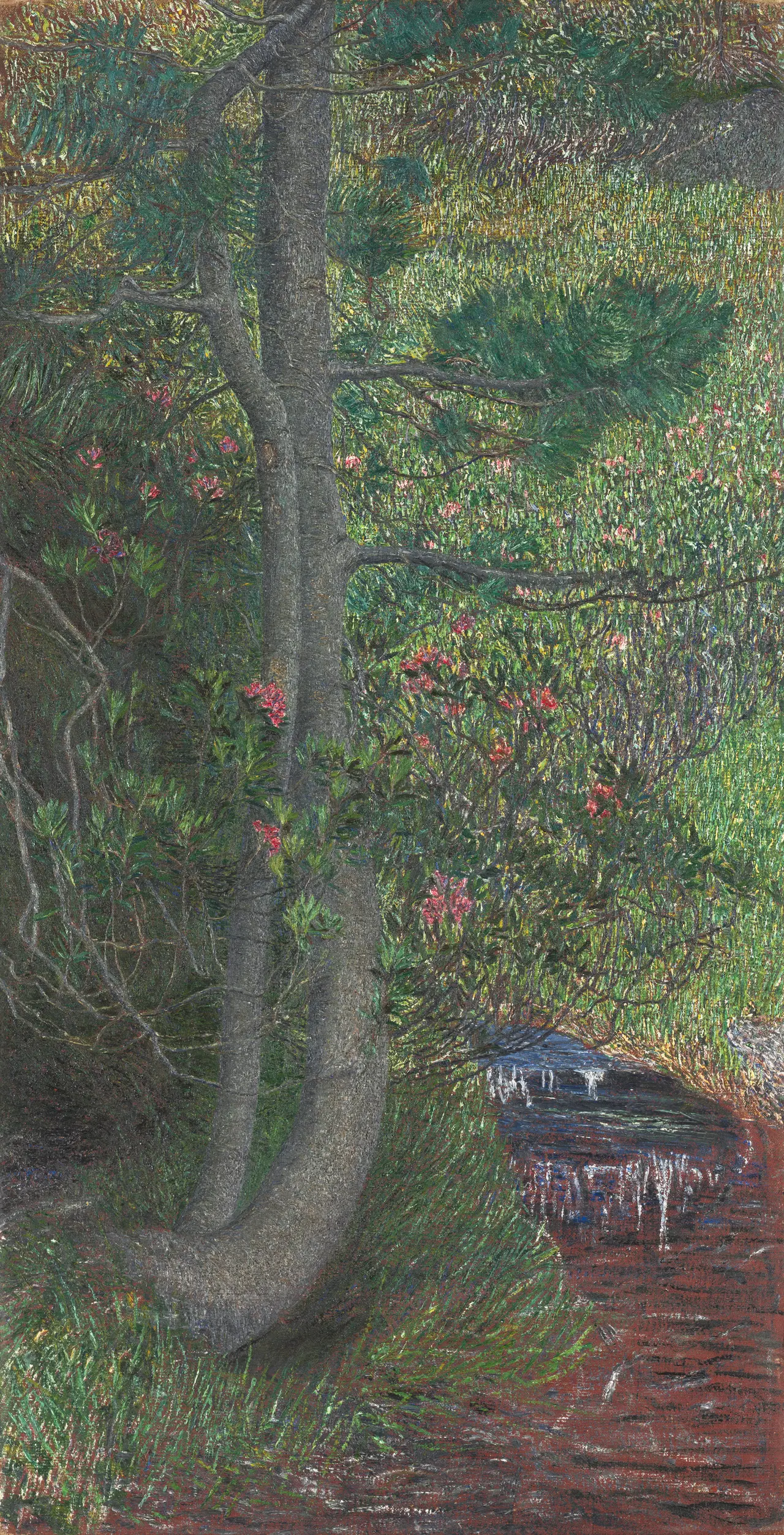
The Pine That Fills the Frame
Giovanni Segantini’s Pine Tree, c. 1897, turns a Swiss forest into a close, stitched field of color.
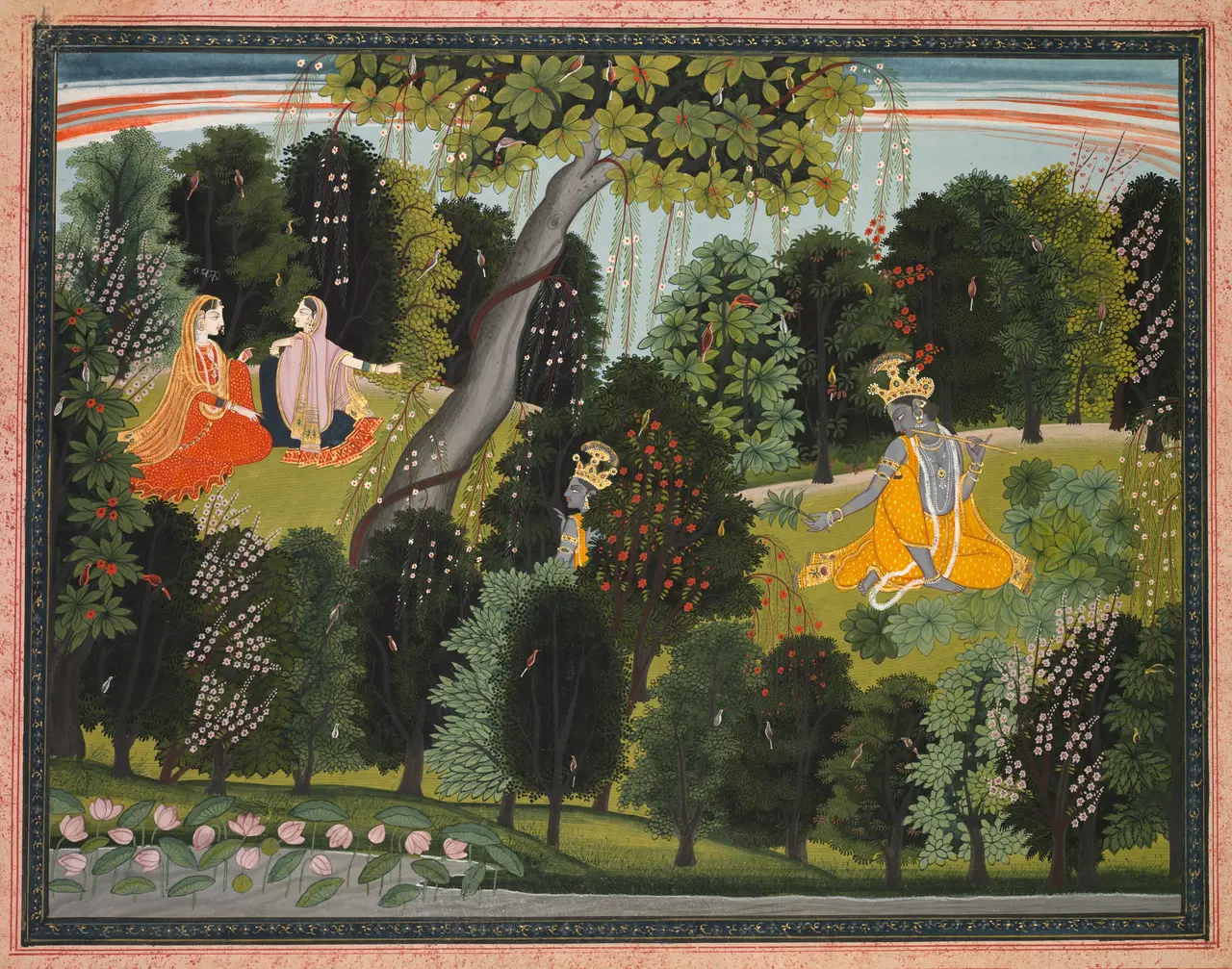
Krishna, Twice
In a Kangra Gita Govinda leaf attributed to Purkhu, a twice-painted Krishna and a dense flowering forest carry the sakhi's plea to a still Radha.
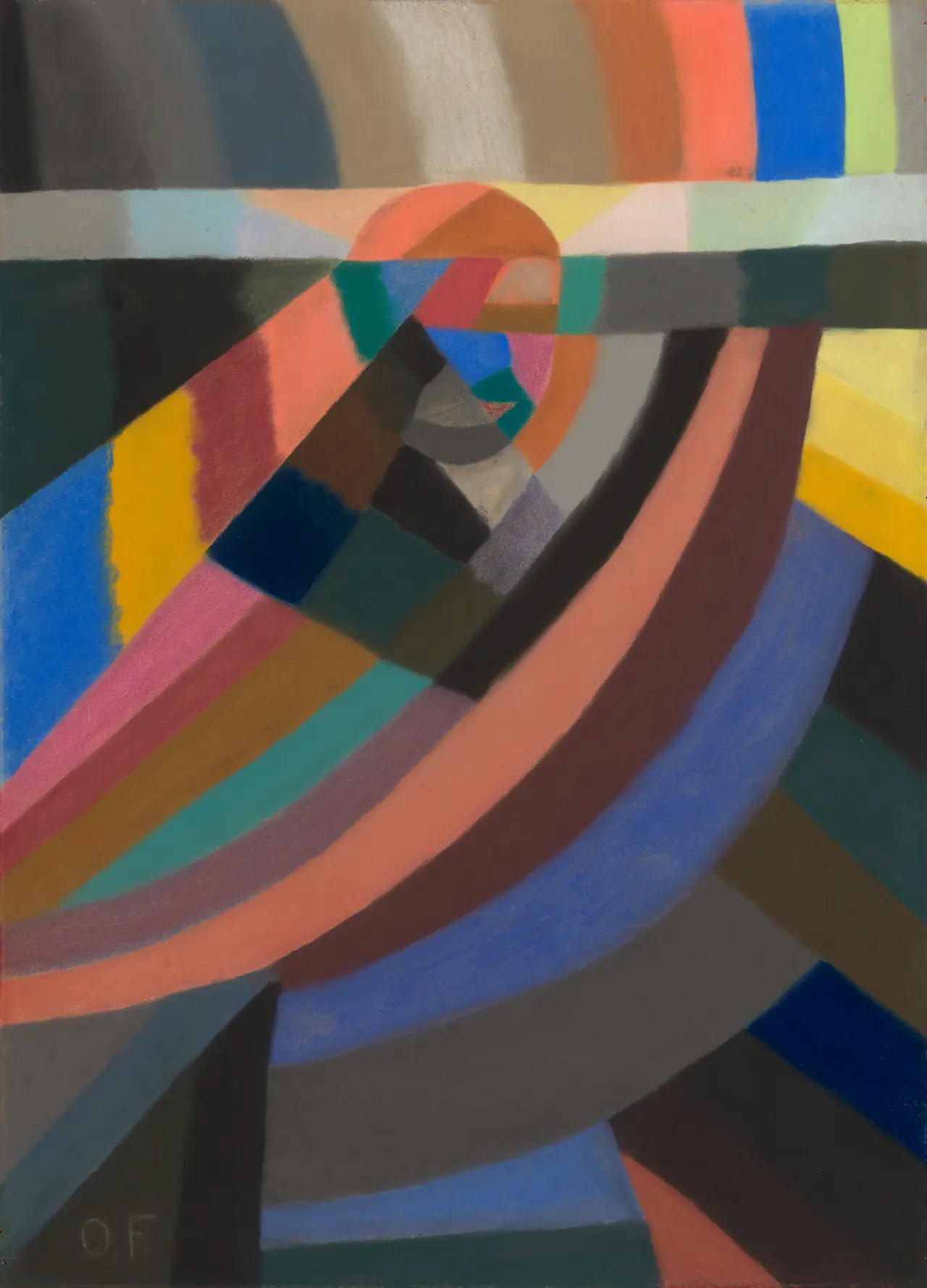
The Curve That Keeps Geometry From Hardening
In Composition from 1924, Otto Freundlich uses pastel arcs and interlocking color to test a non-hierarchical order that later history would try to erase.
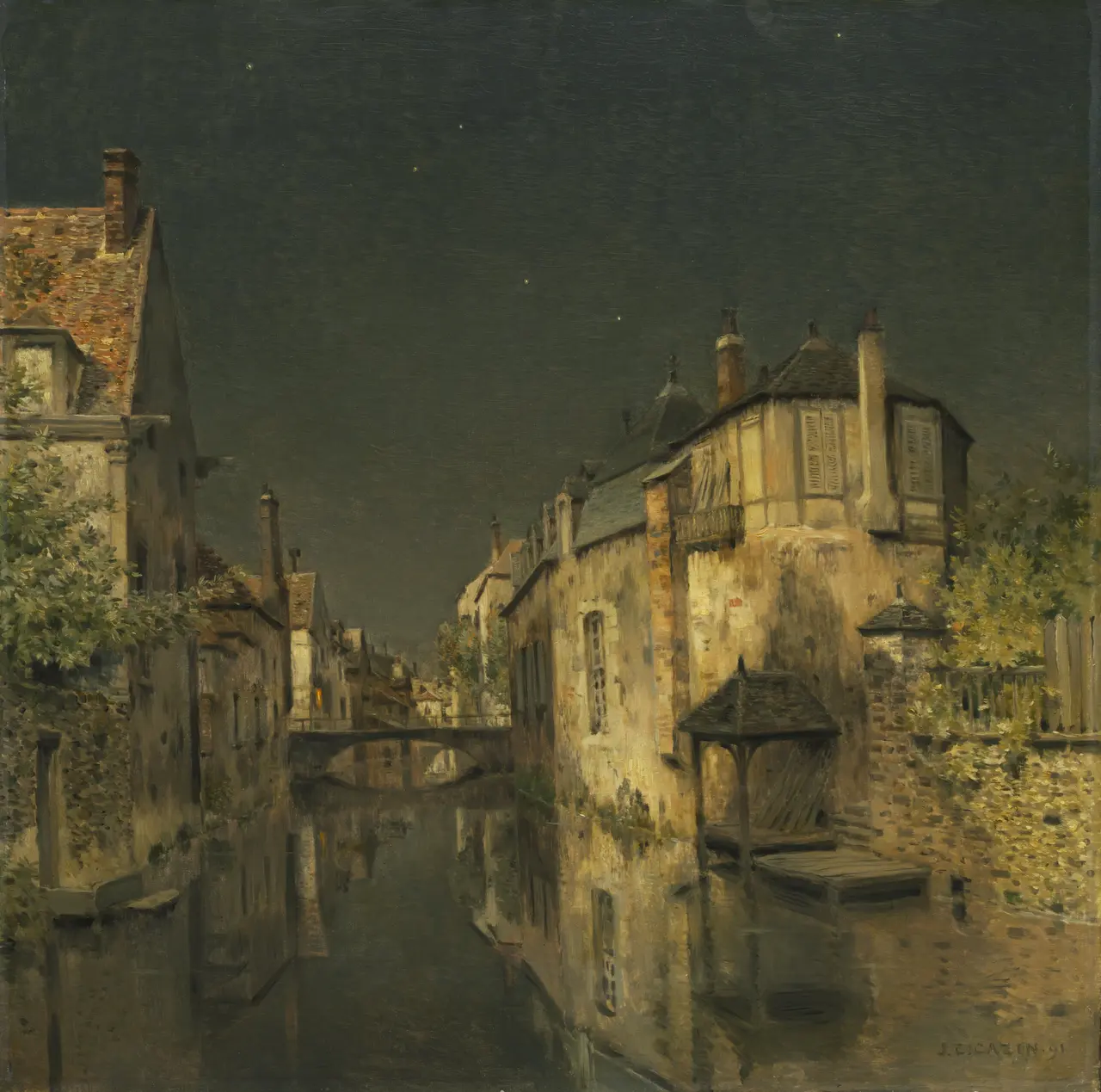
The Stillness That Stays Up Late
Jean-Charles Cazin’s Midnight turns a working canal at Abbeville into a studio memory of night, where silence is built, not found.
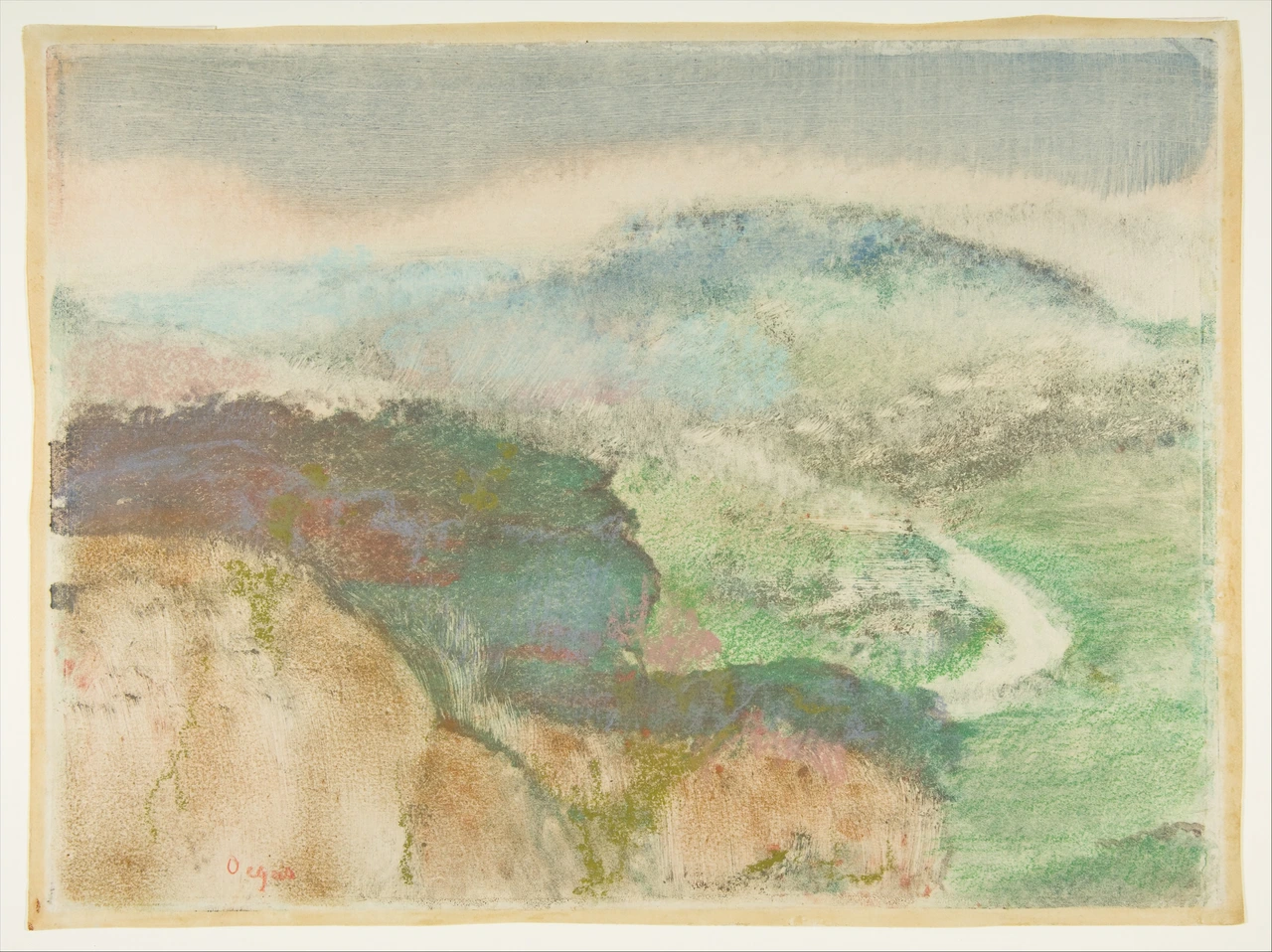
Printed Weather
Edgar Degas ran an invented landscape through his press in 1892, and the mist in it comes from ink laid thin on the plate.

A Bell You Can See
Charles Burchfield makes a Salem winter night audible through rain, architecture, and a private code for fear.
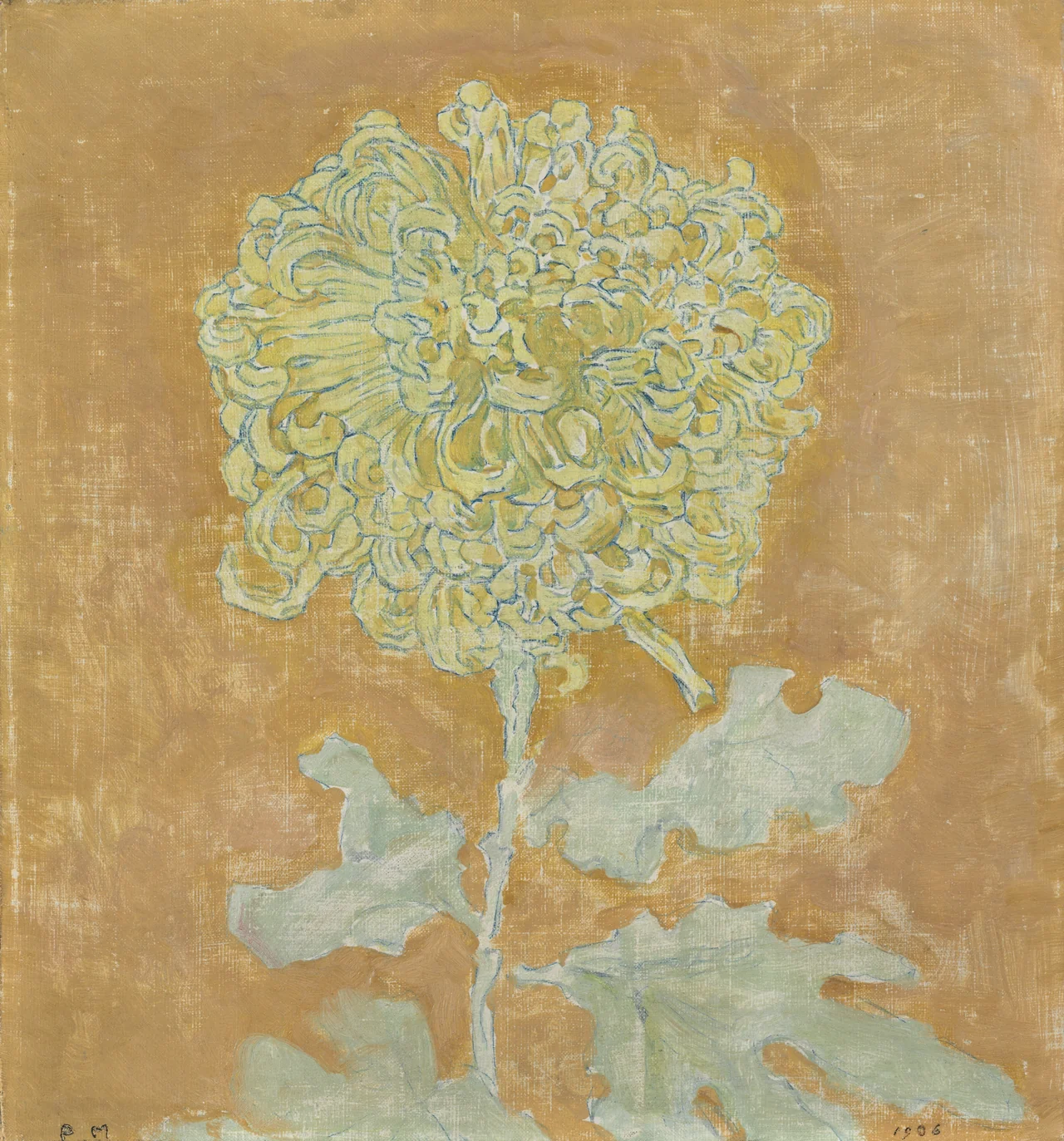
The Flower Mondrian Kept Painting
Piet Mondrian’s Chrysanthemum, 1906–42, shows a precise floral study persisting alongside the grids that made him famous.
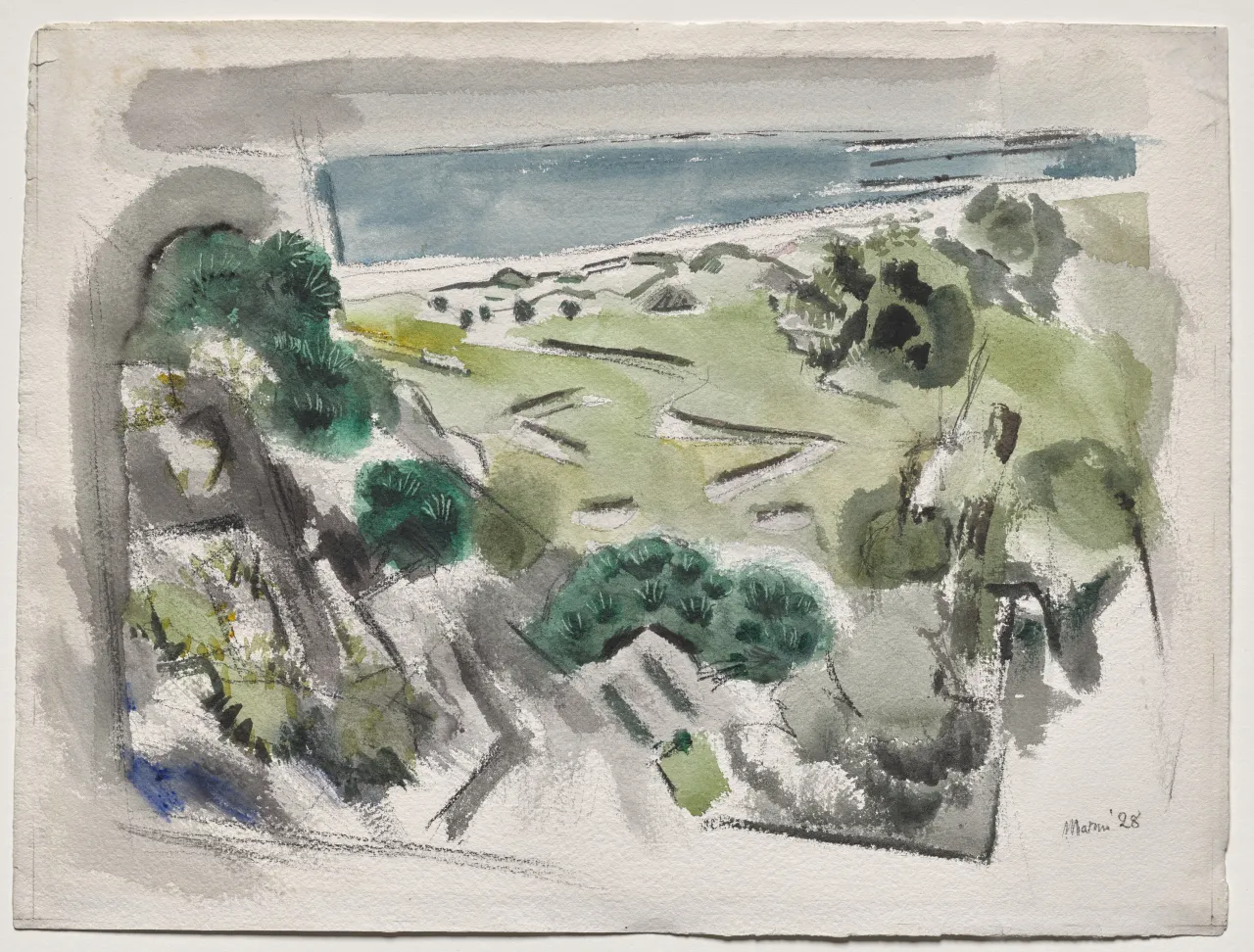
A Bright Interval Held in Black
John Marin compresses a Maine mountain into a luminous center under the pressure of charcoal and wash.
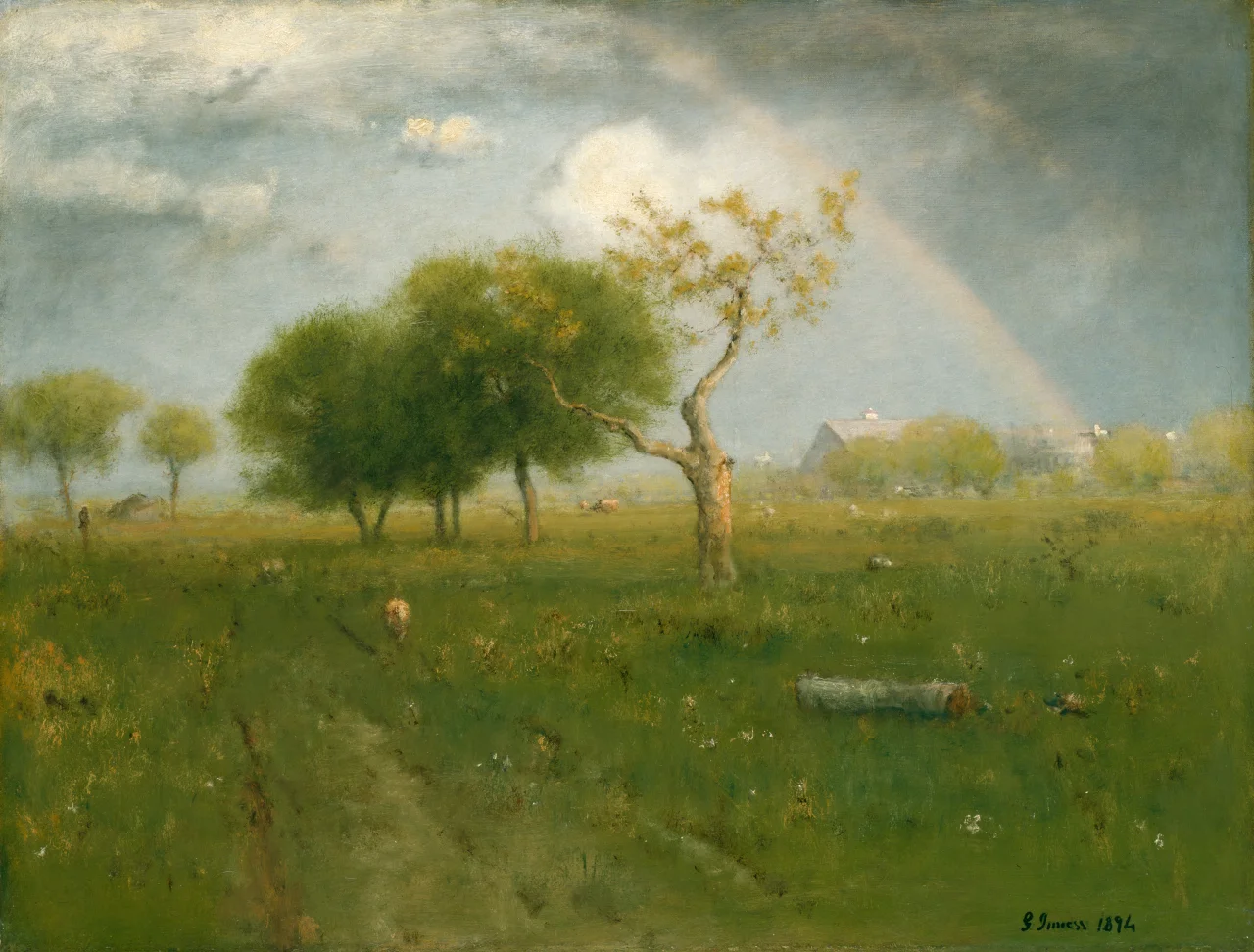
After the Rain, the Light Stays
George Inness’s late pasture holds a faint rainbow and a whole theology of seeing.
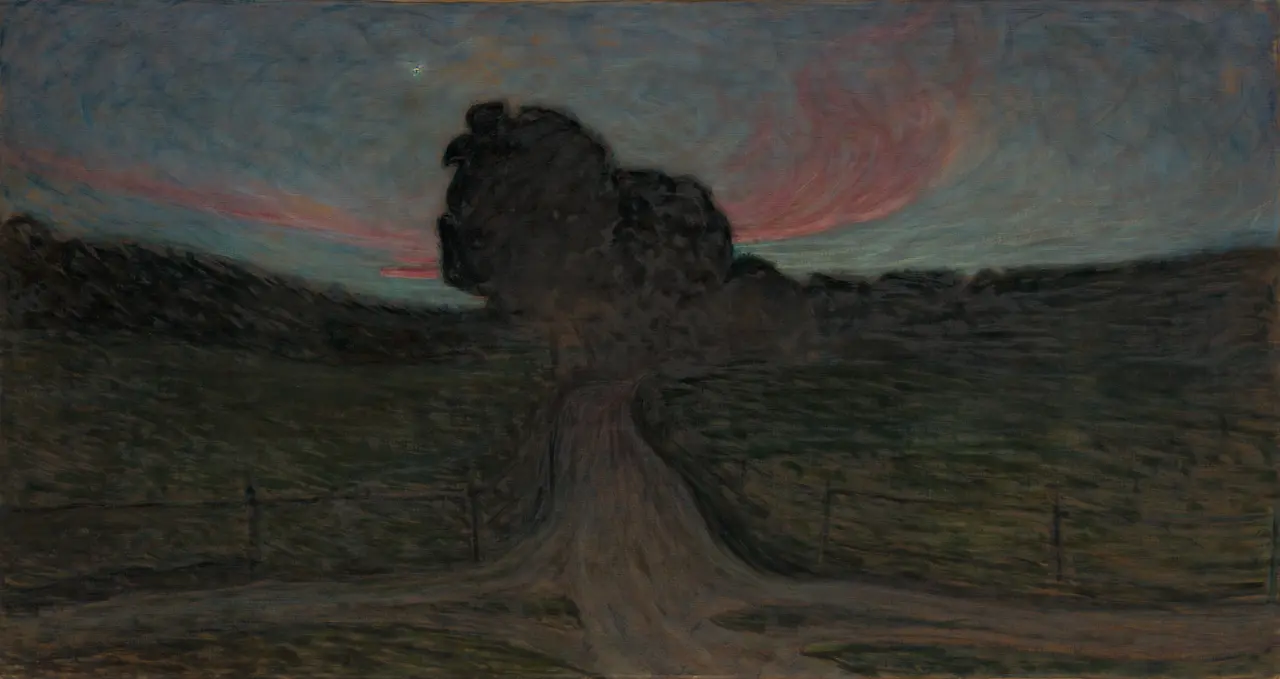
The Star Kept Apart by Blue
Eugène Jansson’s Evening Mood-Lidingö, 1900, turns a Stockholm field at dusk into a carefully built tunnel of brush and color.
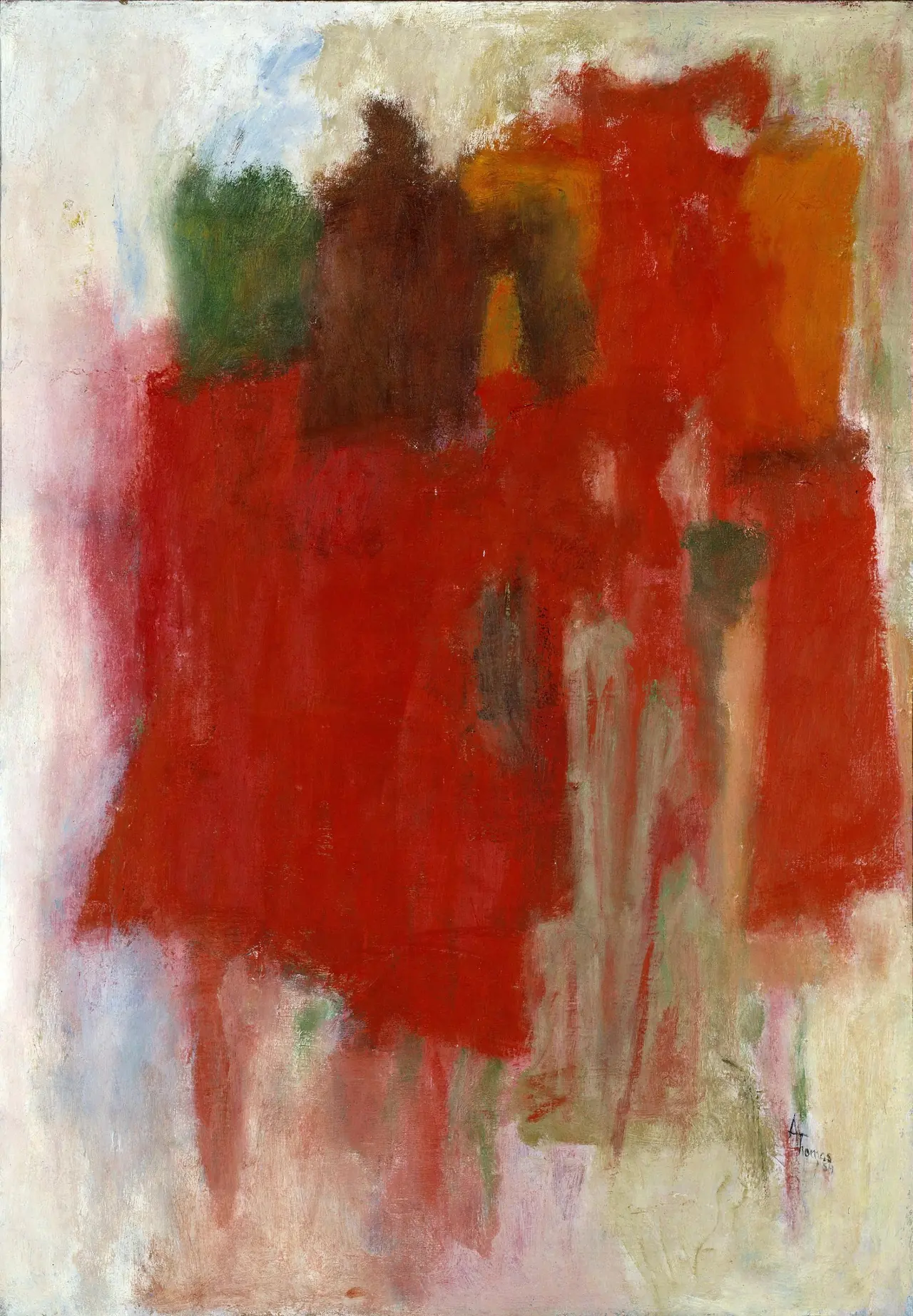
Before the Stripes
On Alma Thomas, Red Abstraction, 1959, and the year she made color hold a garden without describing it.
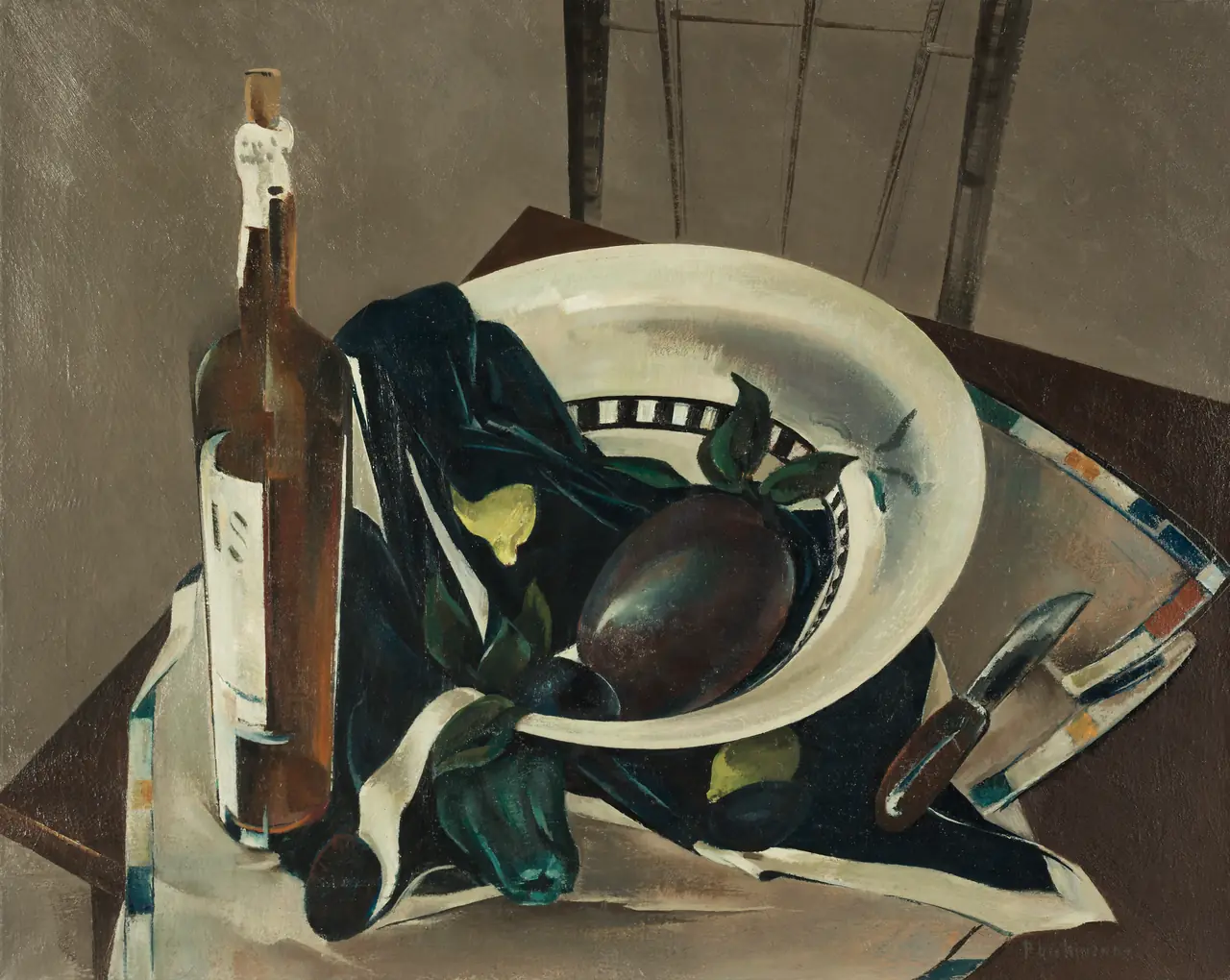
The Table Under Pressure
In Still Life, Preston Dickinson gives a private studio arrangement bodily weight while its table, bowl, and chair pull space in different directions.
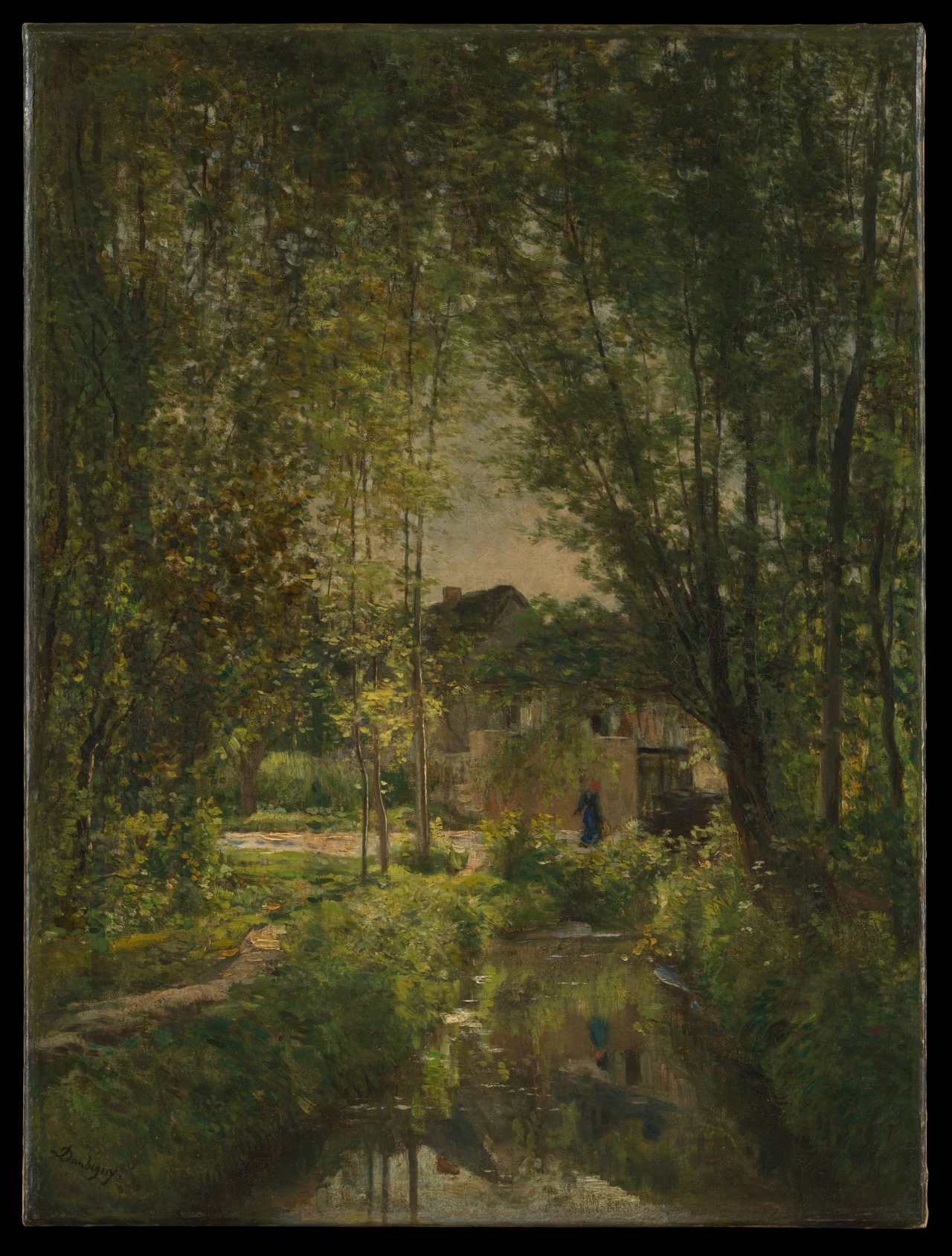
The Stream That Makes a Second Landscape
In Landscape with a Sunlit Stream, Charles-François Daubigny lets a reflected figure and broken light turn a shadowed channel into a second image.
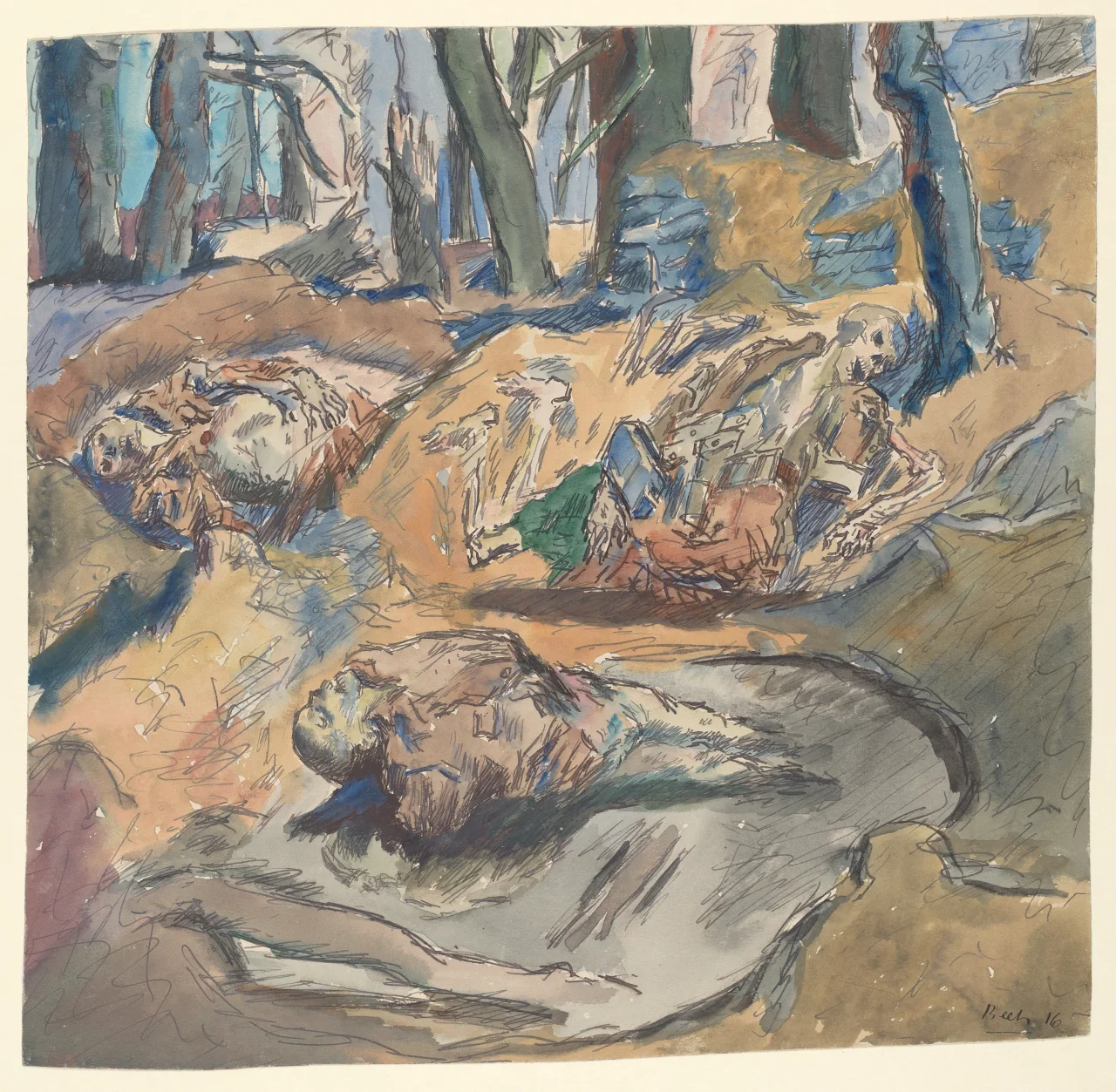
The Record Behind Three Bodies
René Beeh’s 1916 watercolor joins three dead soldiers near Ypres to the measured ground of his wartime work as a surveyor.
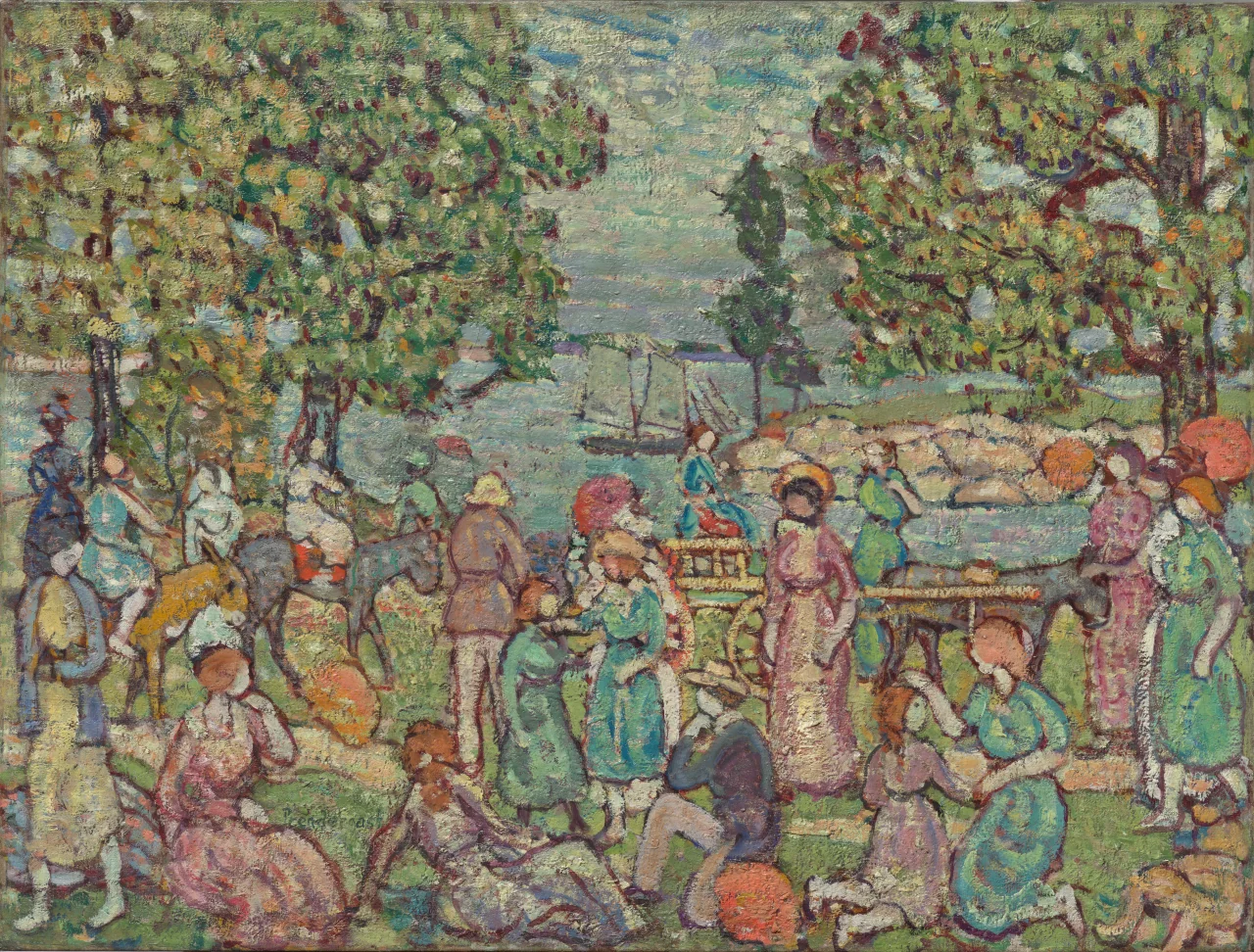
How Prendergast Makes a Crowd Legible
In On the Beach, No. 3, Maurice Prendergast uses repeated color, strong outlines, and changing intervals to bind a beach crowd without erasing its individual gestures.
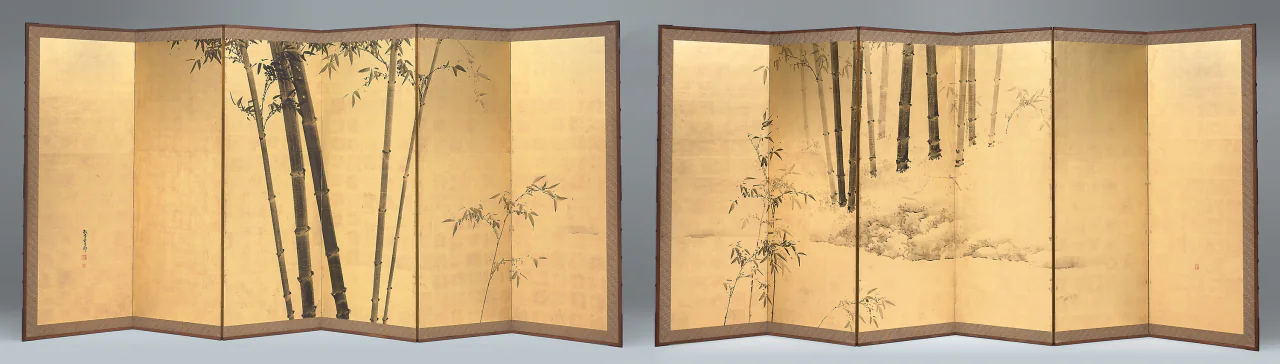
When Bamboo Becomes a Room
In a pair of six-panel screens, Kishi Ganku used ink, animal glue, resistant gold leaf, and severe cropping to make painted bamboo act on the space around it.
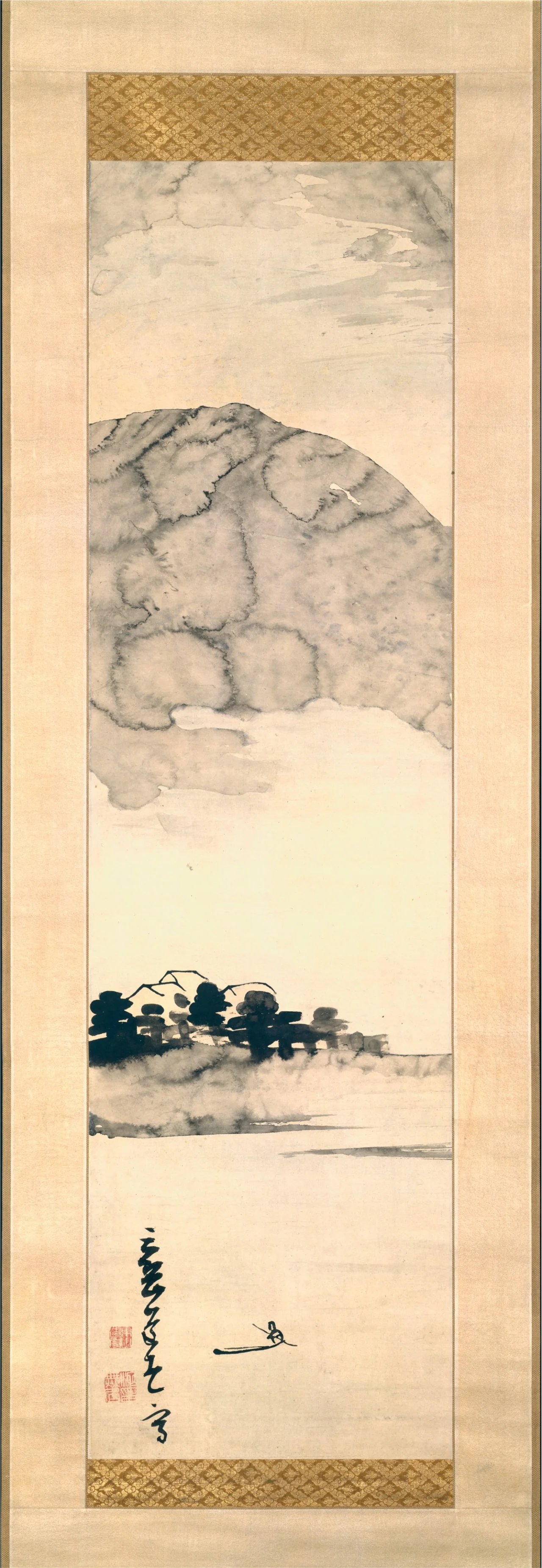
What Touch Does to Distance
In Finger Painting of a Landscape, Ike no Taiga used the limits of direct touch and wet ink to build mountain mass, open air, and depth.
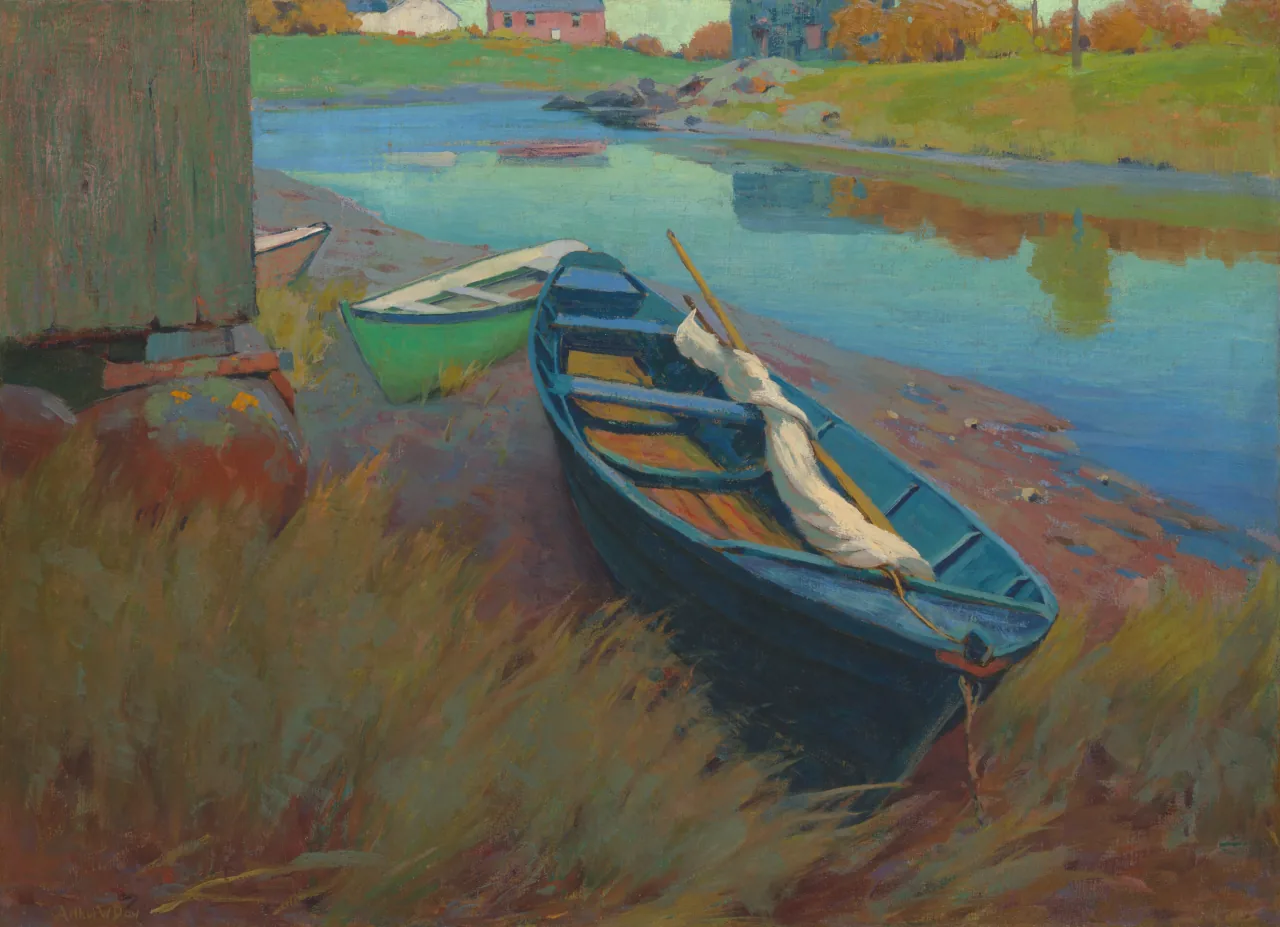
How Dow Holds a Harbor Still
In Boats at Rest, Arthur Wesley Dow uses cropped structures, raised perspective, and linked fields of color to make stillness an act of composition.
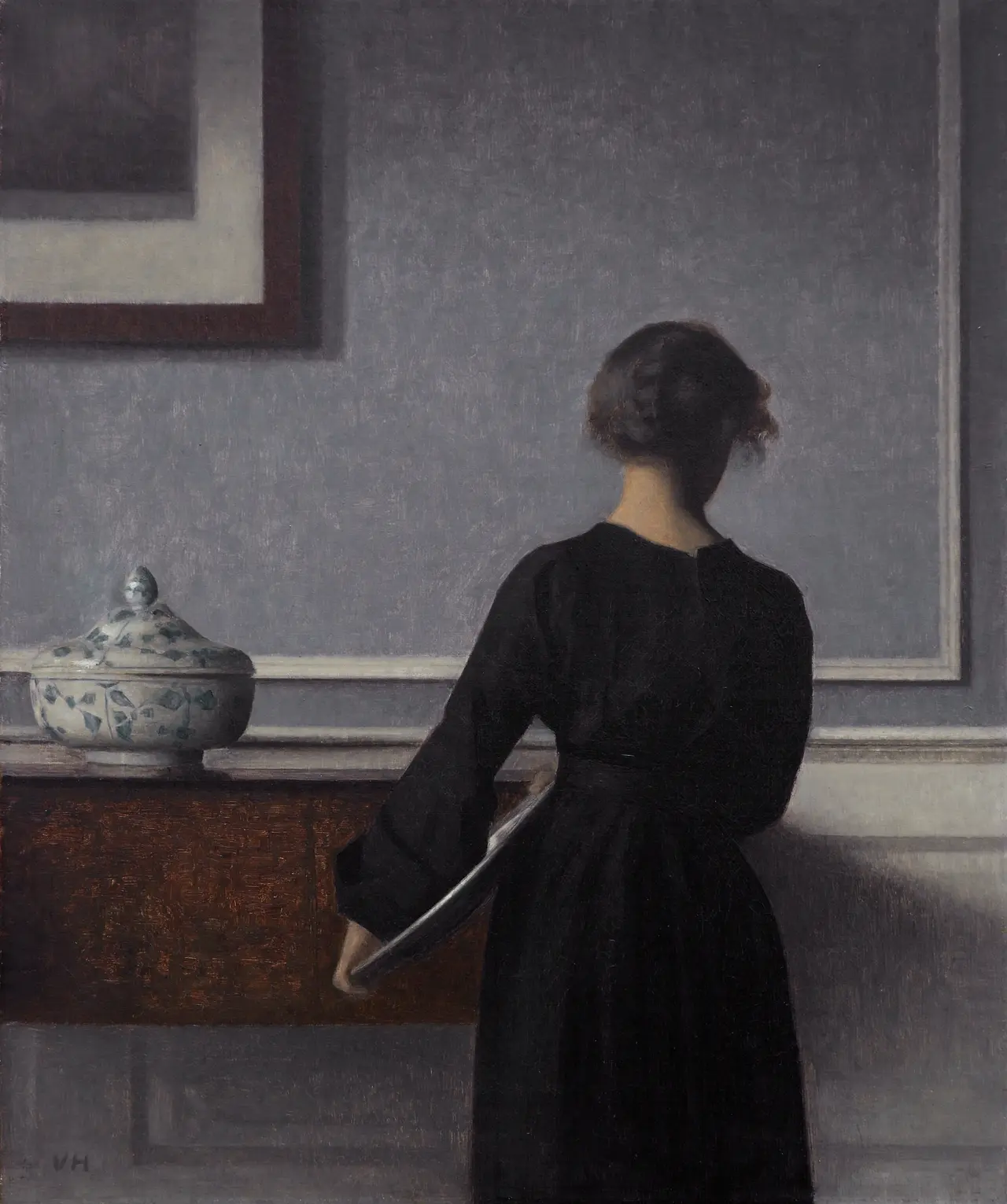
The Plate in Ida Hammershøi’s Hand
In Interior with Young Woman Seen from the Back, Vilhelm Hammershøi builds the room around the weight and angle of an object in use.
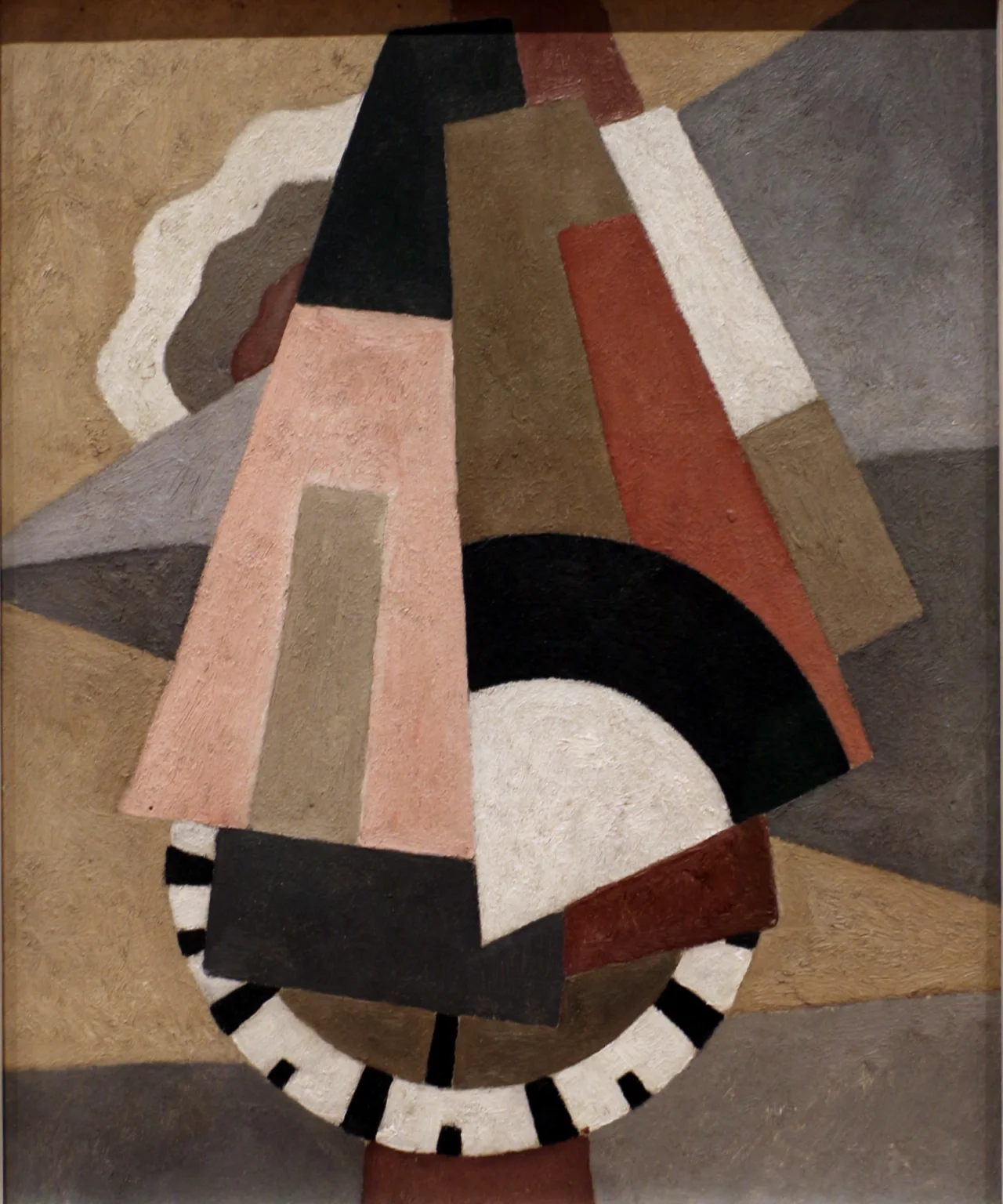
The Harbor Without a Horizon
Marsden Hartley’s Provincetown uses mast-like uprights, a striped ring, and packed planes to make a named harbor felt without a horizon.
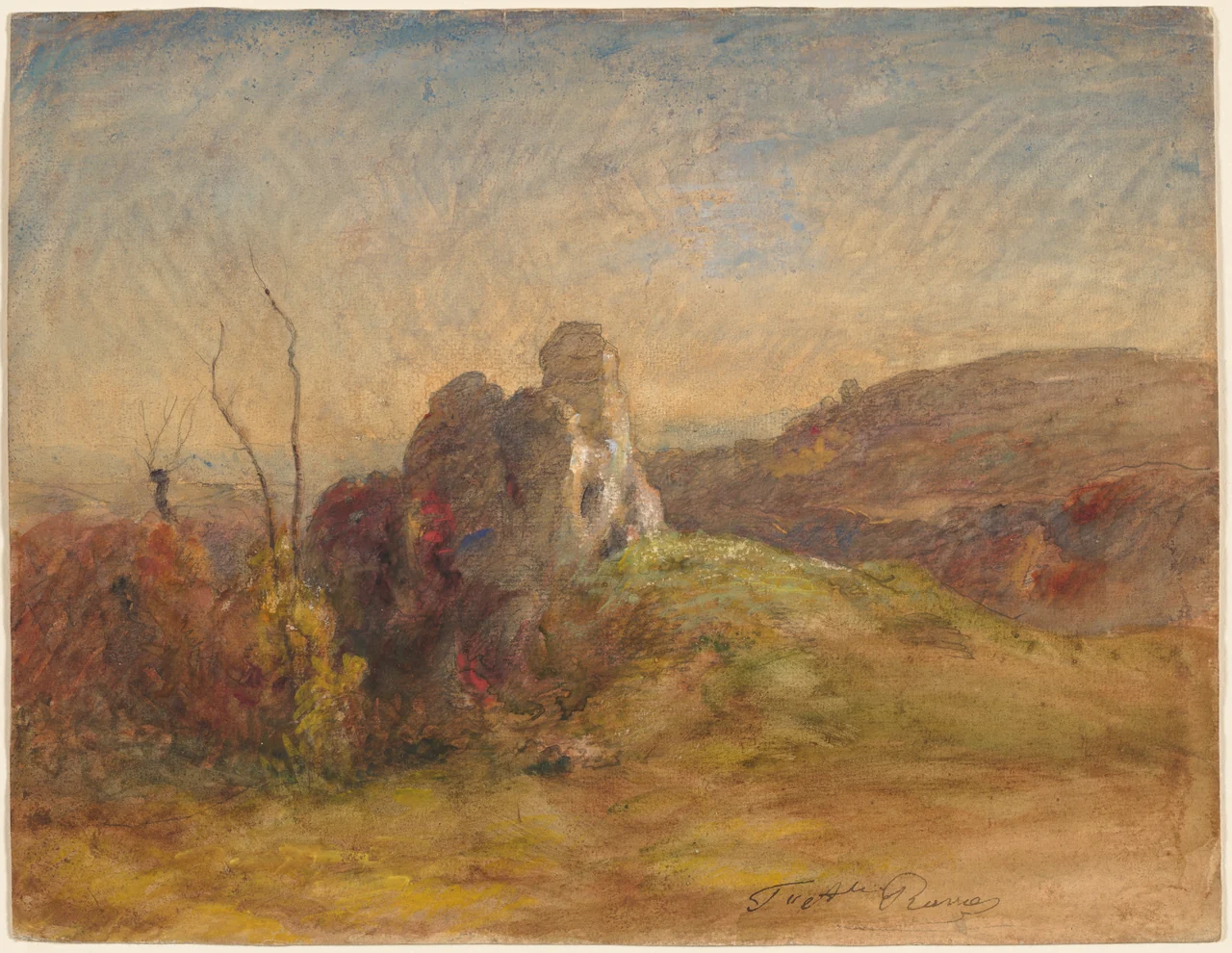
The Lines That Keep the Landscape from Dissolving
In François-Auguste Ravier’s Landscape, graphite, black chalk, watercolor, and gouache turn remembered ground near Morestel into a structure that almost comes apart.
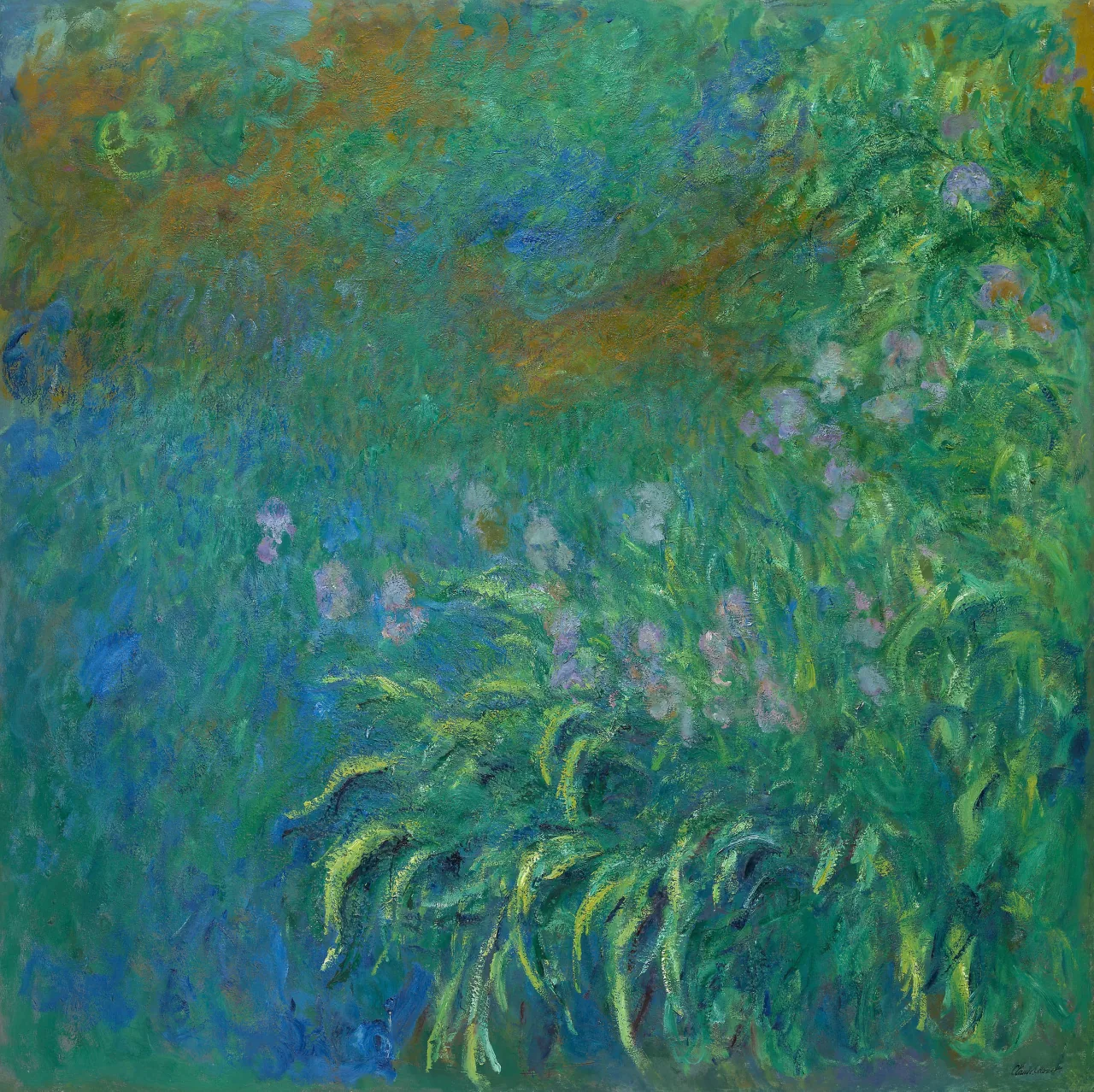
The Work Inside Monet’s Unfinished Irises
Claude Monet’s Irises turns a pondside planting into a two-metre field where sustained revision and uncertain finish remain visible together.
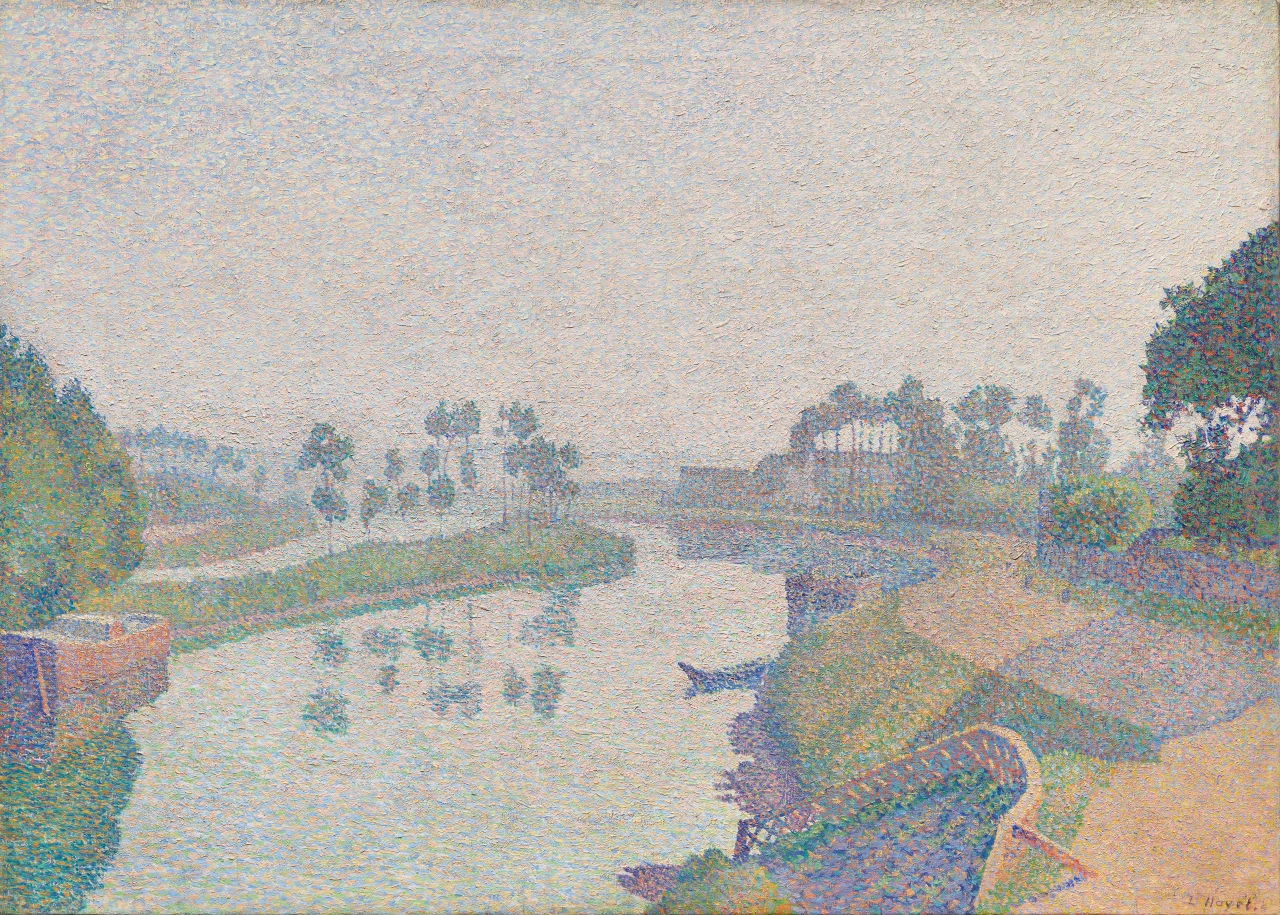
The Colors Inside a Gray Dawn
In Banks of the Oise at Dawn, Louis Hayet builds gray weather from colors that never fully disappear into it.
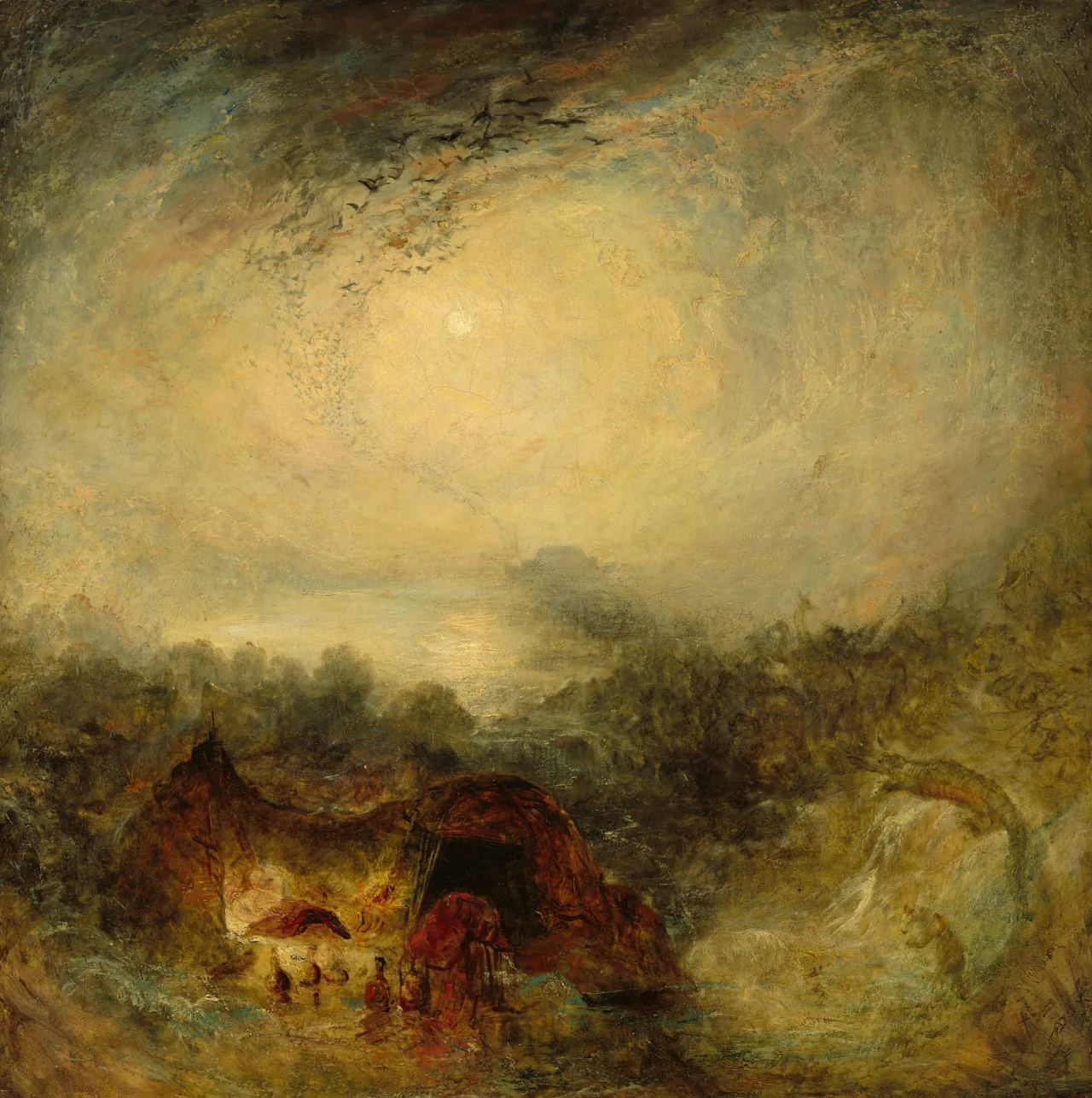
The Couple Who Slept Through Turner's Flood
In J. M. W. Turner's The Evening of the Deluge, birds and animals answer the alarm while a sleeping couple remains in the warmest and least useful shelter.
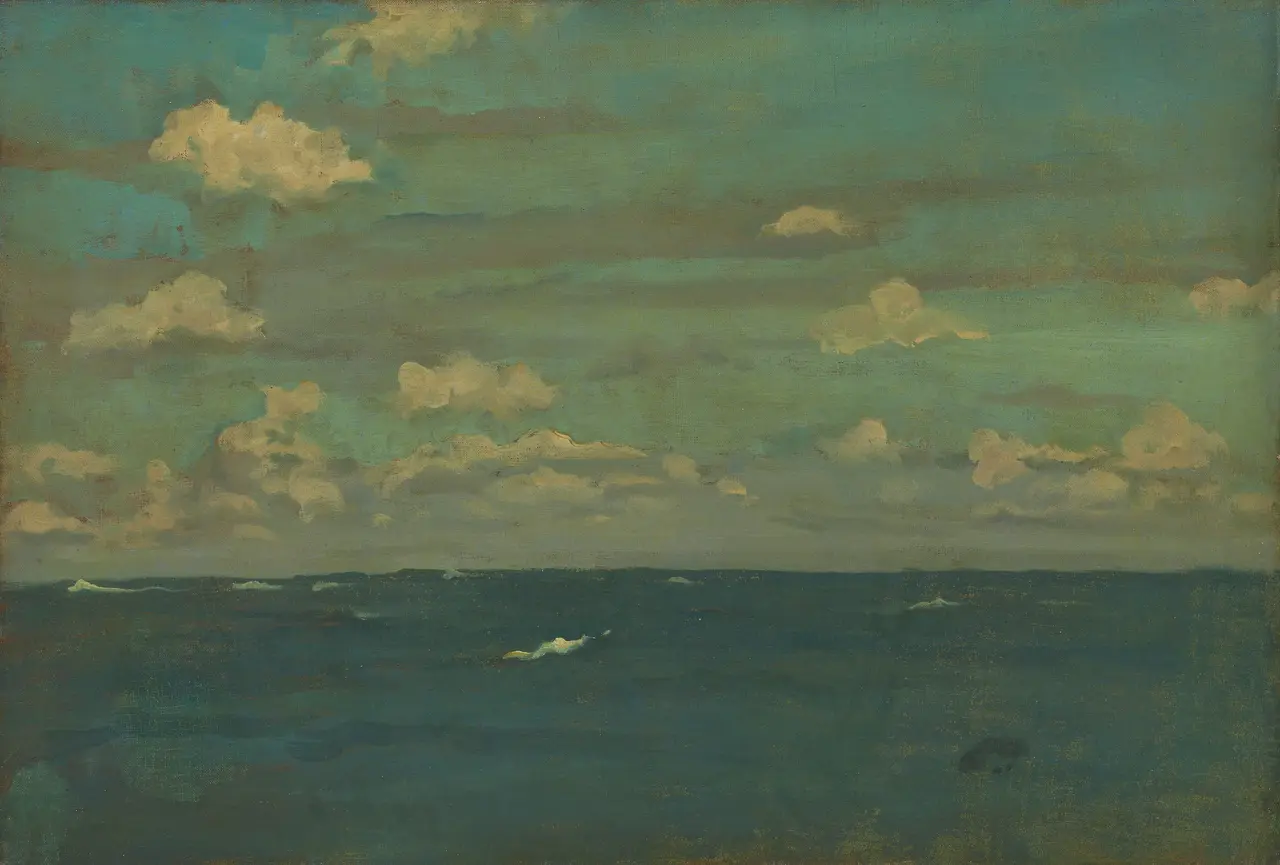
When Violet and Silver Went Missing
Successive surface coatings made James McNeill Whistler’s 1893 seascape look green and yellow, while its title kept the missing colours in view.
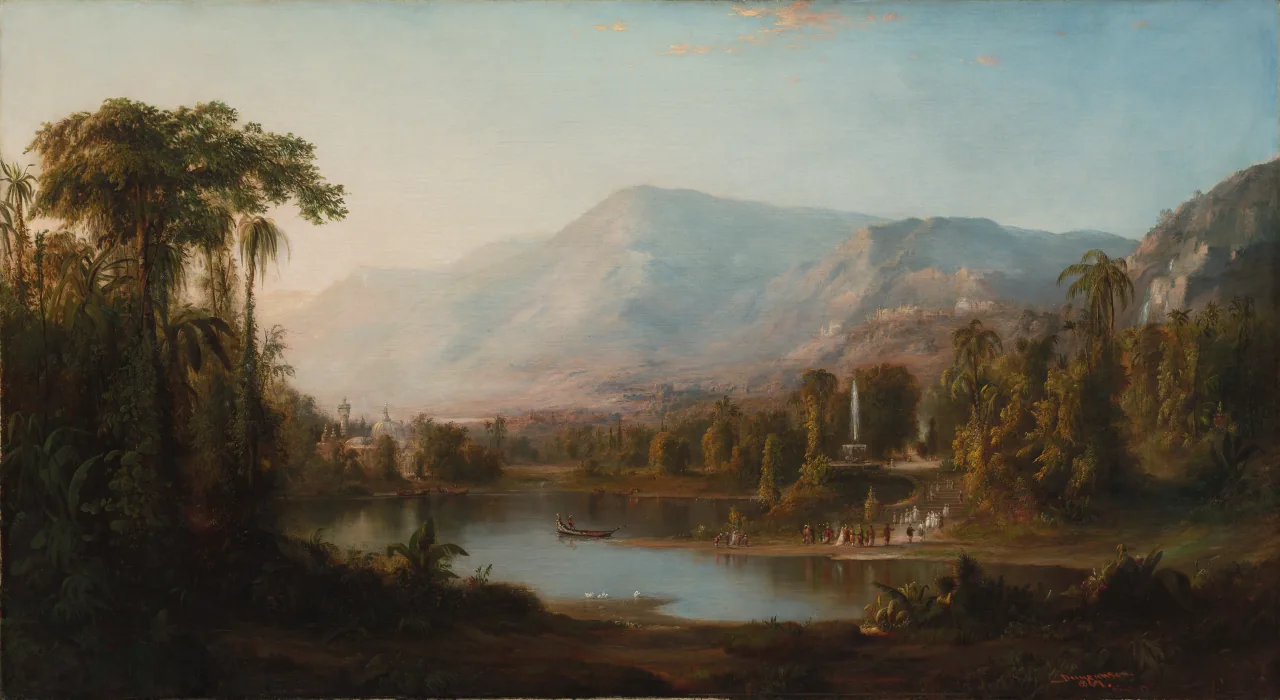
The Arrival That Never Finishes
Robert S. Duncanson leaves the climax of Lalla Rookh offstage and makes Vale of Kashmir a landscape of permanent approach.
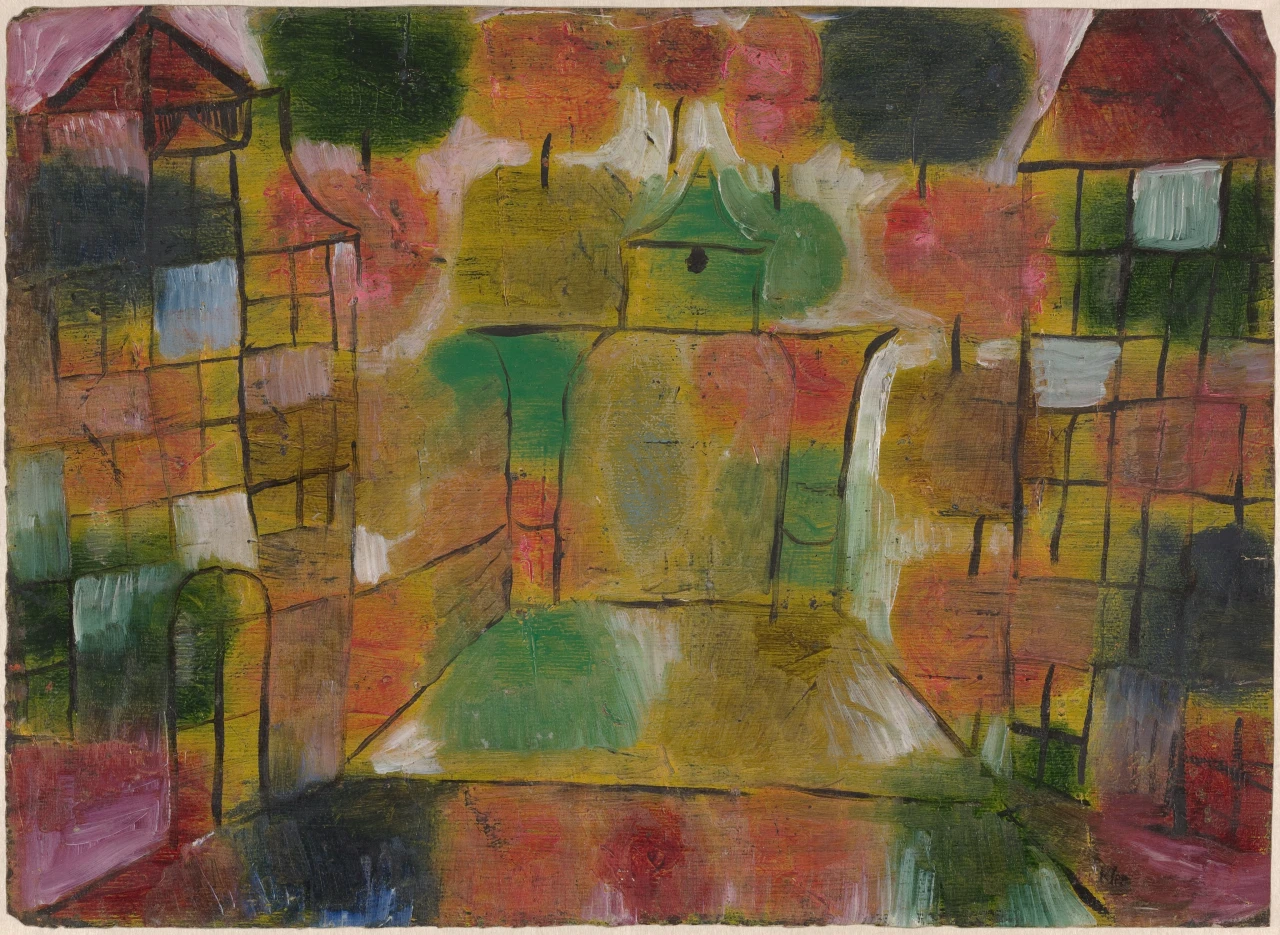
The Town Is Still Rehearsing
Paul Klee’s Tree and Architecture: Rhythms makes roofs, trees, walls, and color change parts in the middle of a performance.
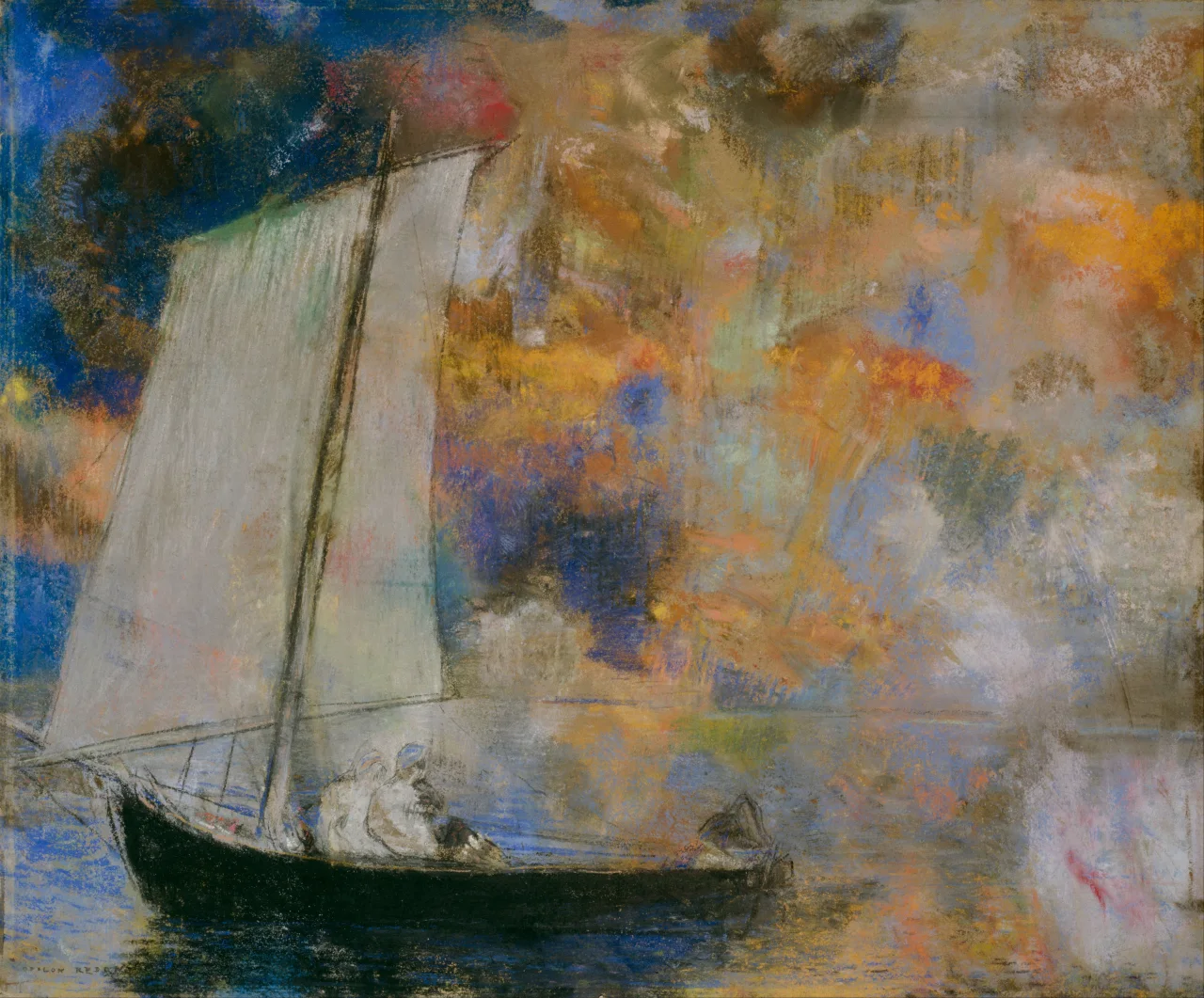
Two Passengers, Four Titles
Across four titles, the two passengers in Odilon Redon’s Flower Clouds keep one human scale while the world around them changes.
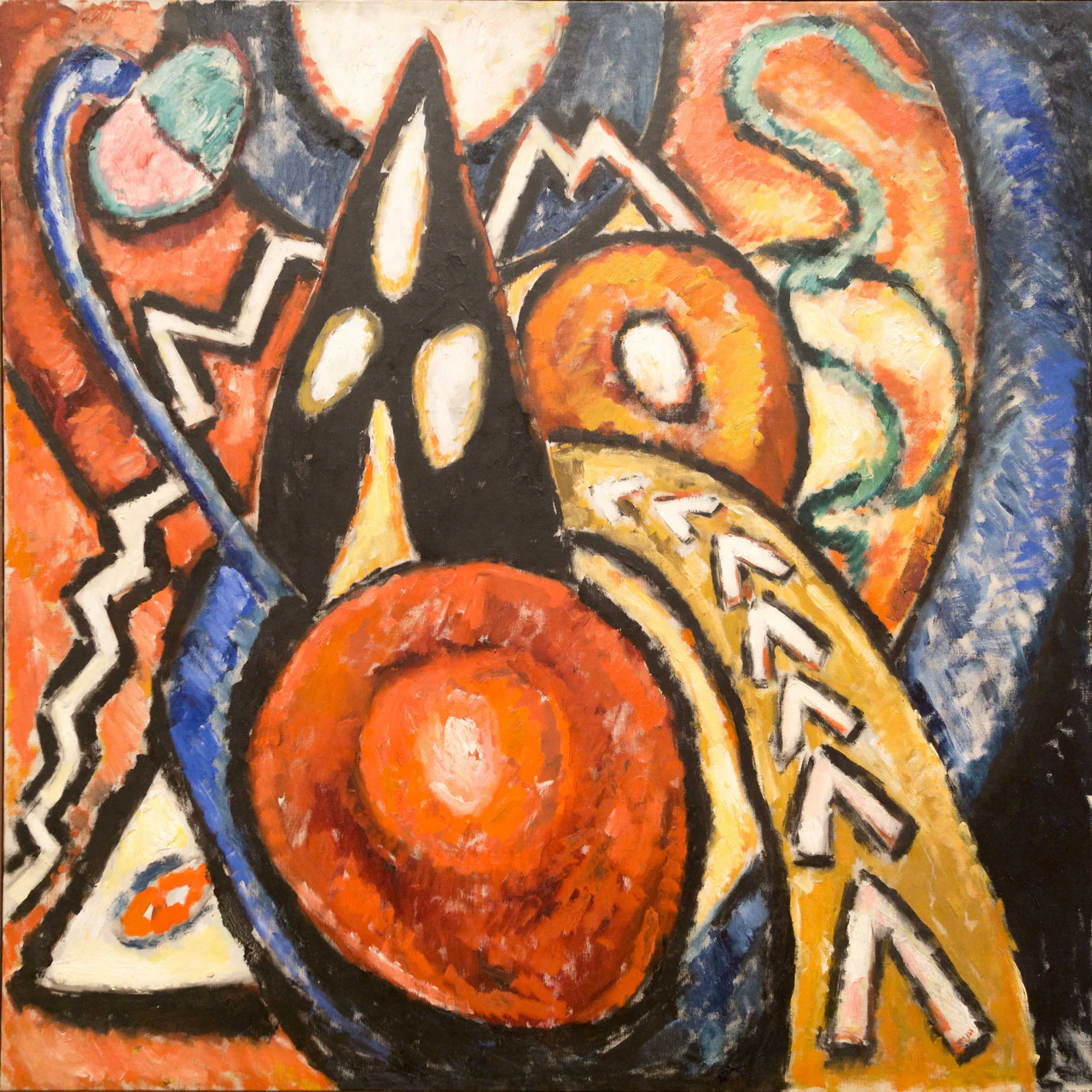
What the Shapes Think They Are
Marsden Hartley’s Movement keeps turning abstract marks into an owl, a target, a score, and other objects that will not hold still.
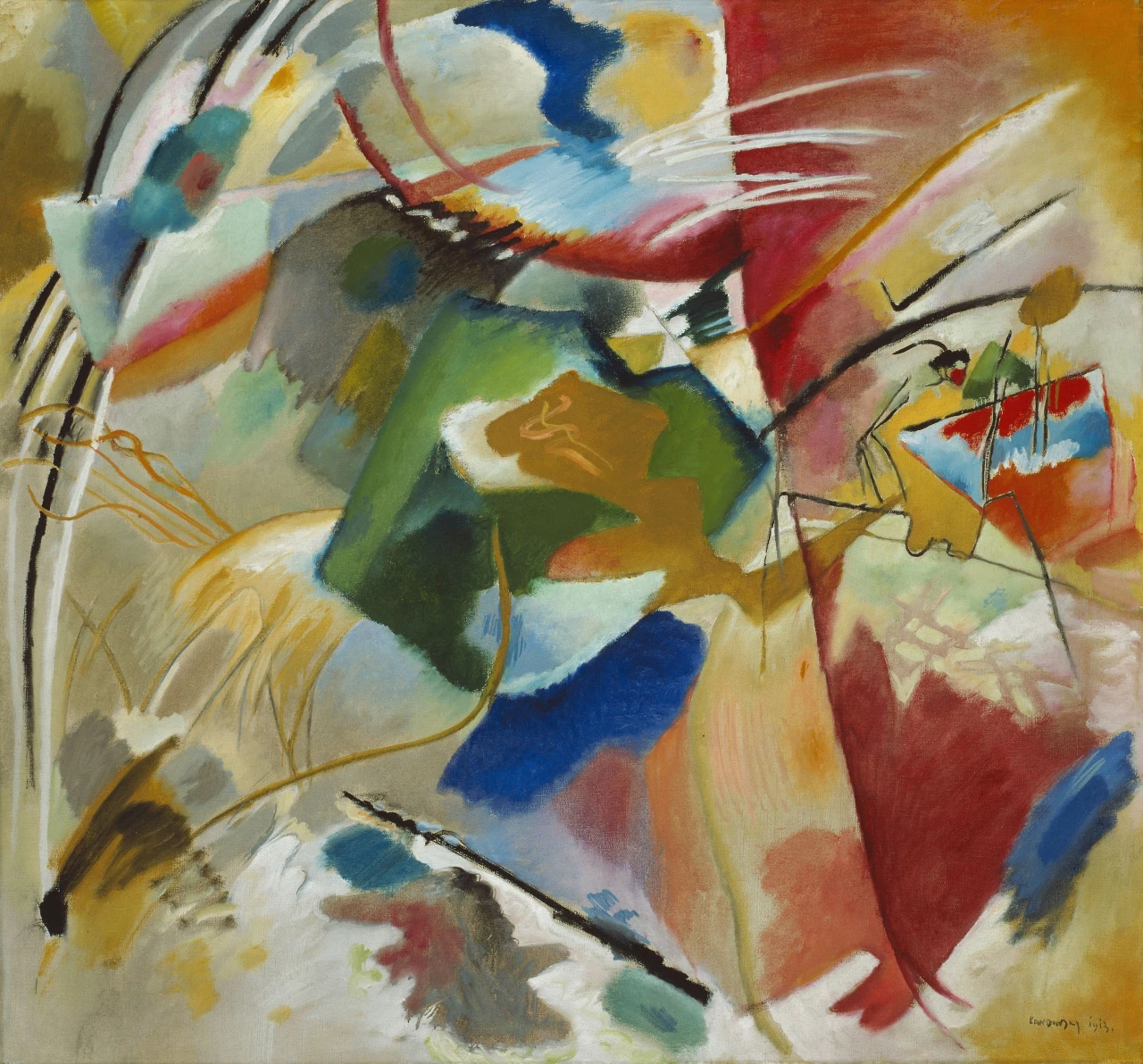
Several Speeds at Once
In Vasily Kandinsky’s Painting with Green Center, color spreads, lines sprint, and the canvas lets each kind of mark keep its own pace.
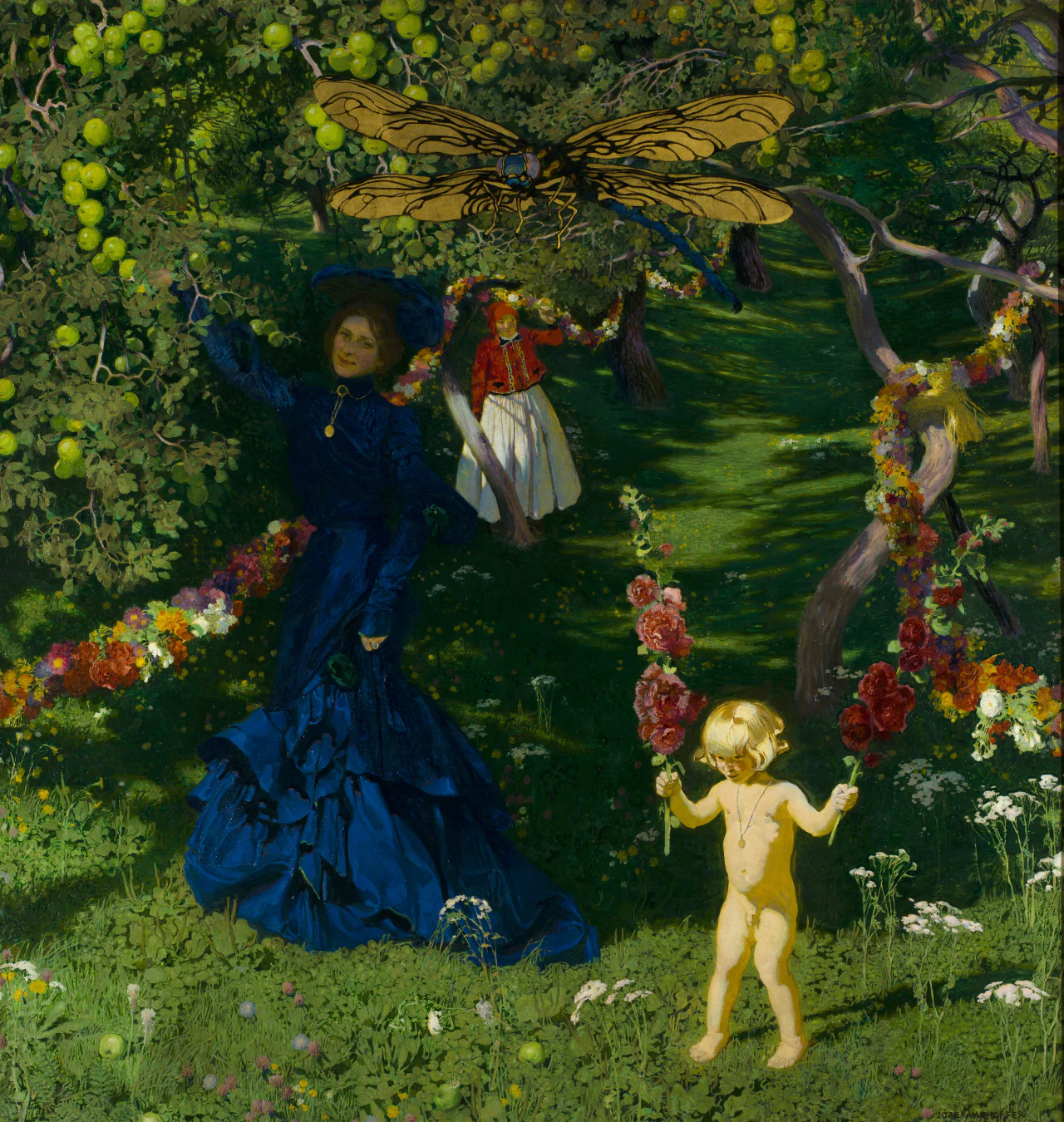
The Garden Reopens in 1903
Józef Mehoffer’s Strange Garden turns a family holiday into a production of costumes, gestures, stage light, and one impossible piece of overhead machinery.
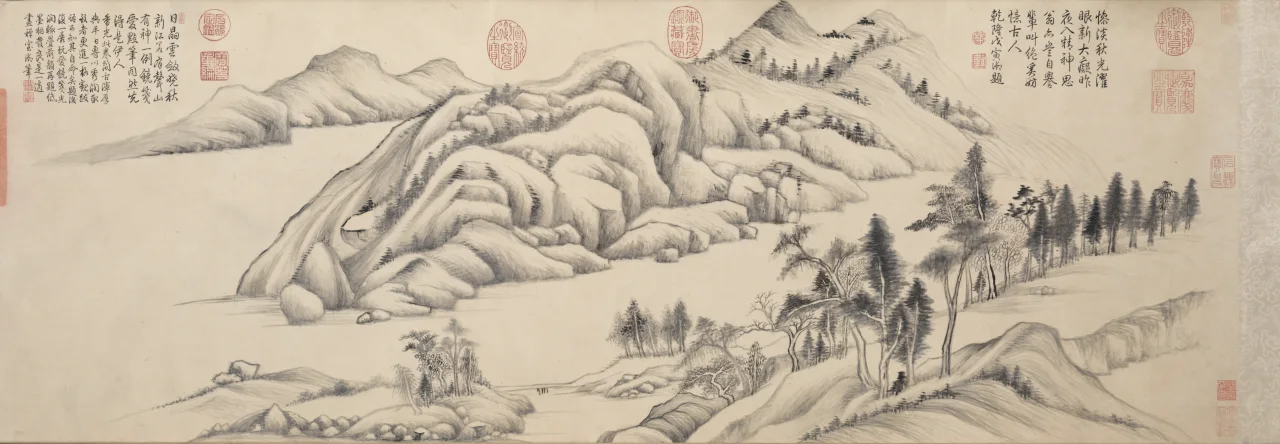
What the Paper Carried
Dong Qichang’s River and Mountains on a Clear Autumn Day carries a royal Korean document, a journey through earlier brush languages, and the marks of later friendship and imperial ownership within one handscroll.
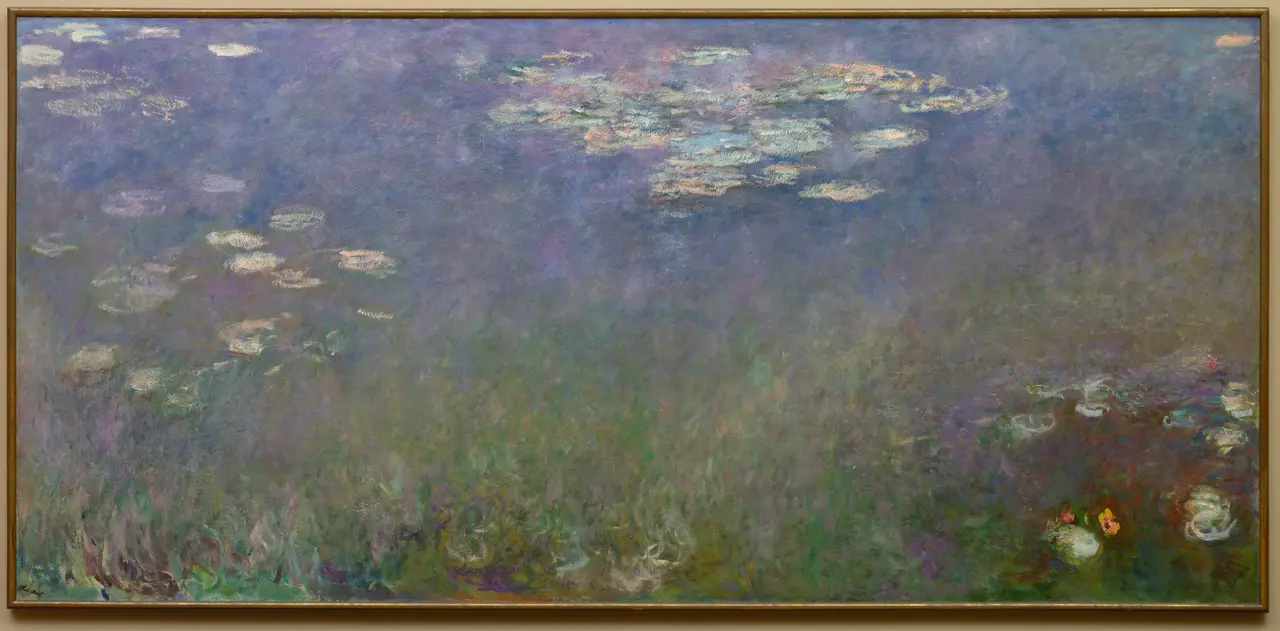
The Room Monet’s Pond Never Reached
Claude Monet made Water Lilies (Agapanthus) as one part of a thirteen-metre pond for an enveloping room that was planned, changed, and never built.
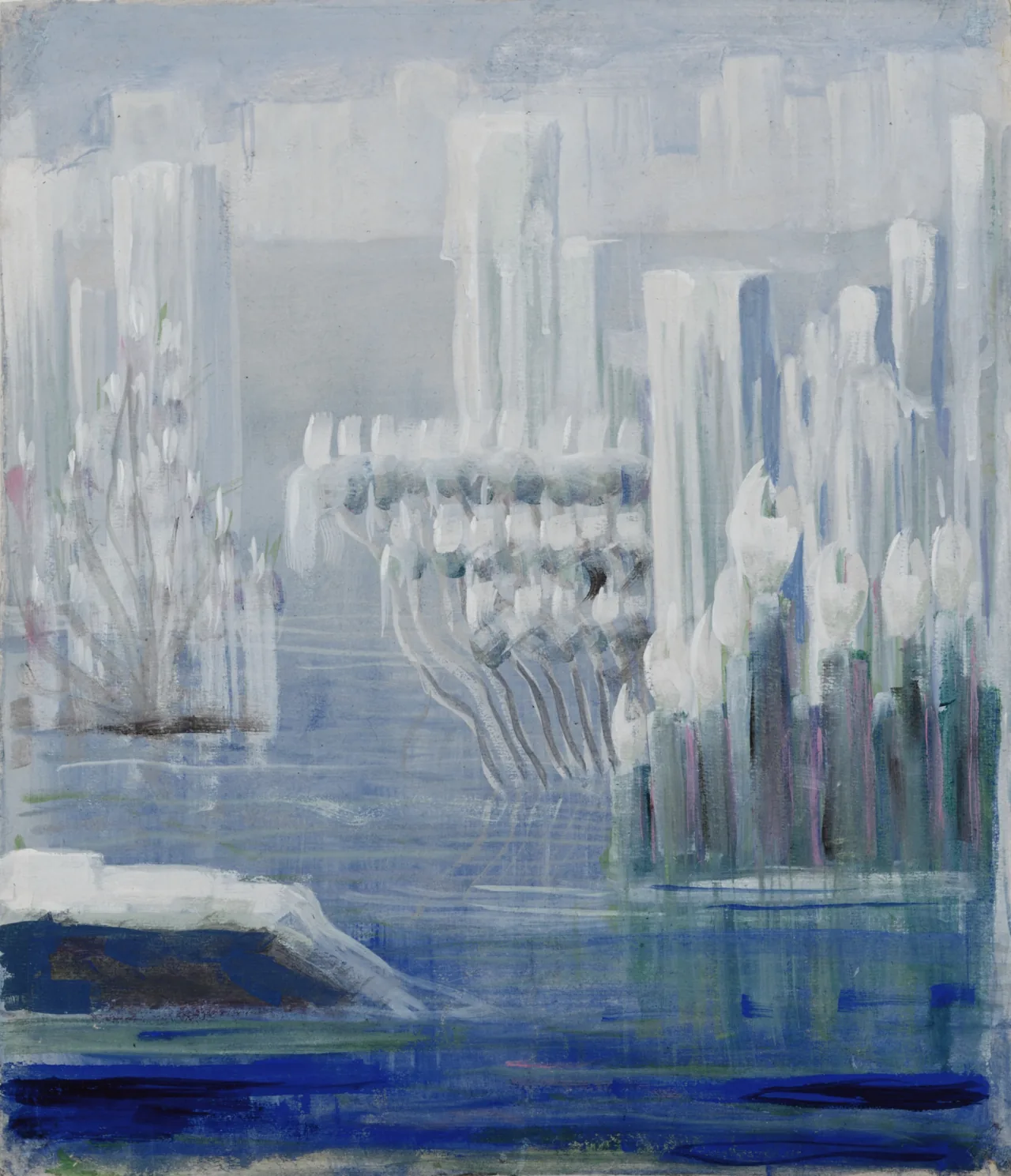
Suppose the World Began with Ruins
In the sixth sheet of M. K. Čiurlionis’s Creation of the World, a new blue realm resembles an excavation filled with broken structures and unclaimed machines.
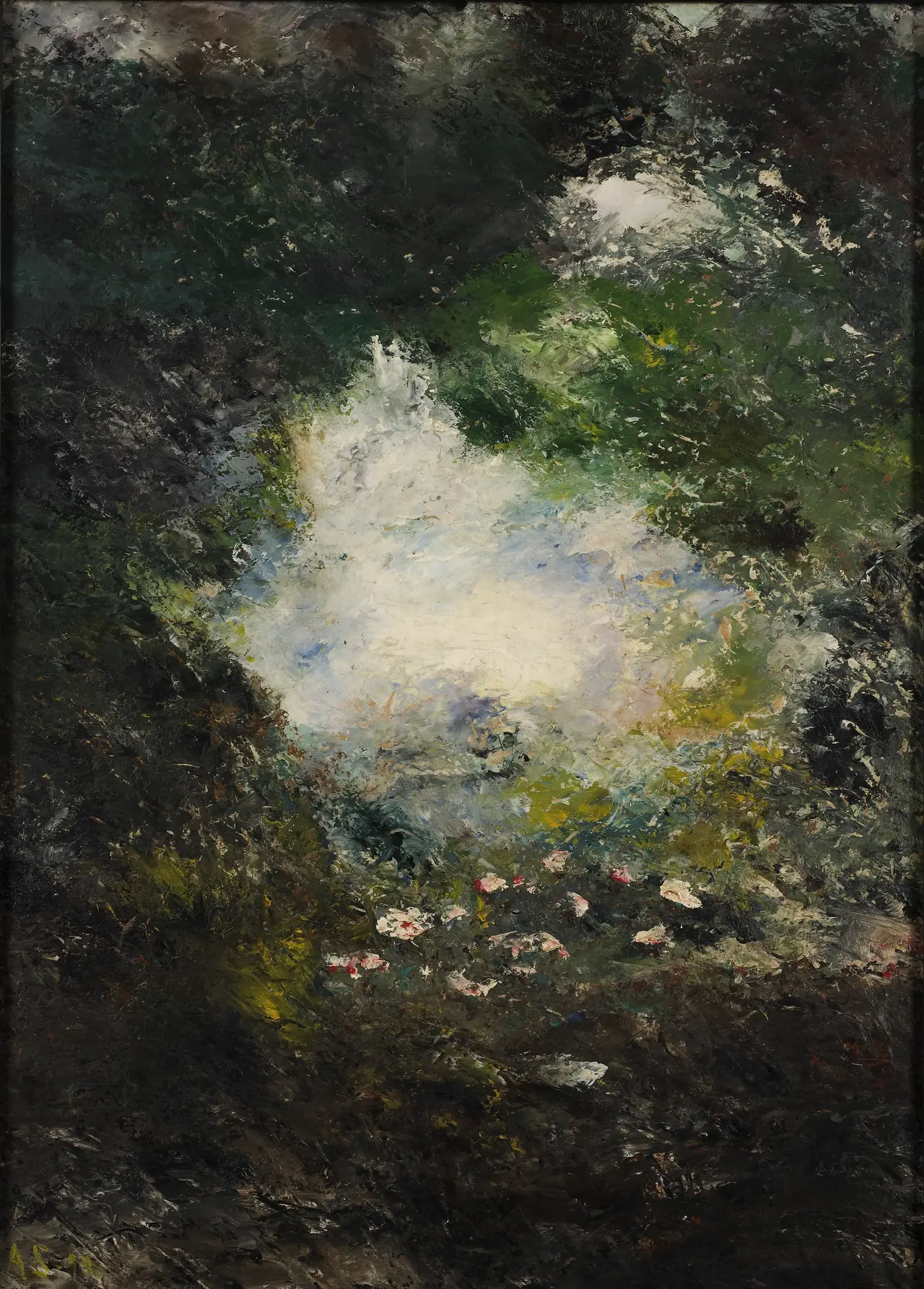
Two Seconds of Roses
August Strindberg’s account of making Wonderland turns a palette-knife accident into a pond, a rose garden, a quarrel, and eventually a museum object.
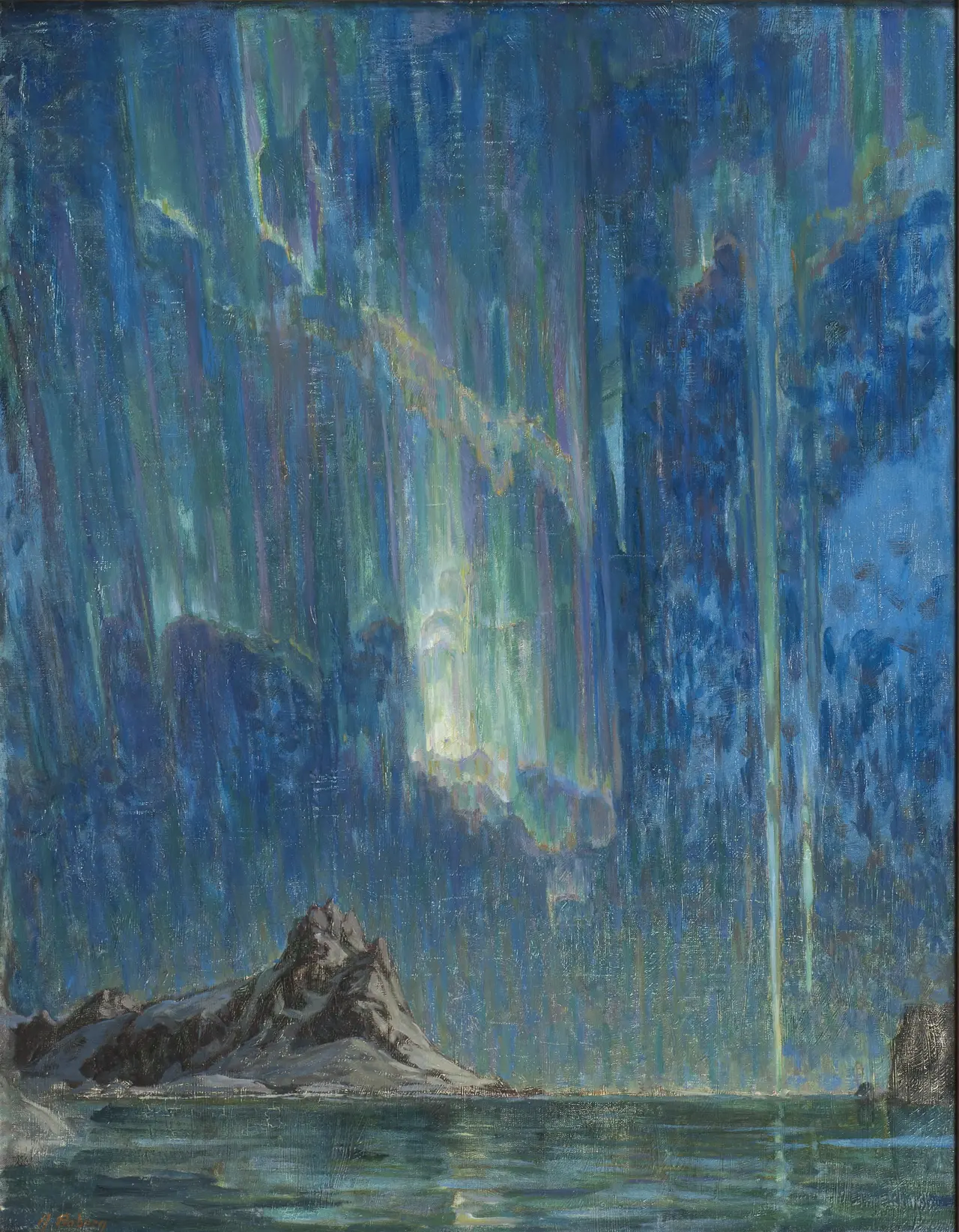
The Weather Instrument
In Northern Lights, Anna Boberg uses paint as a field instrument for an aurora that changes faster than a landscape can settle.
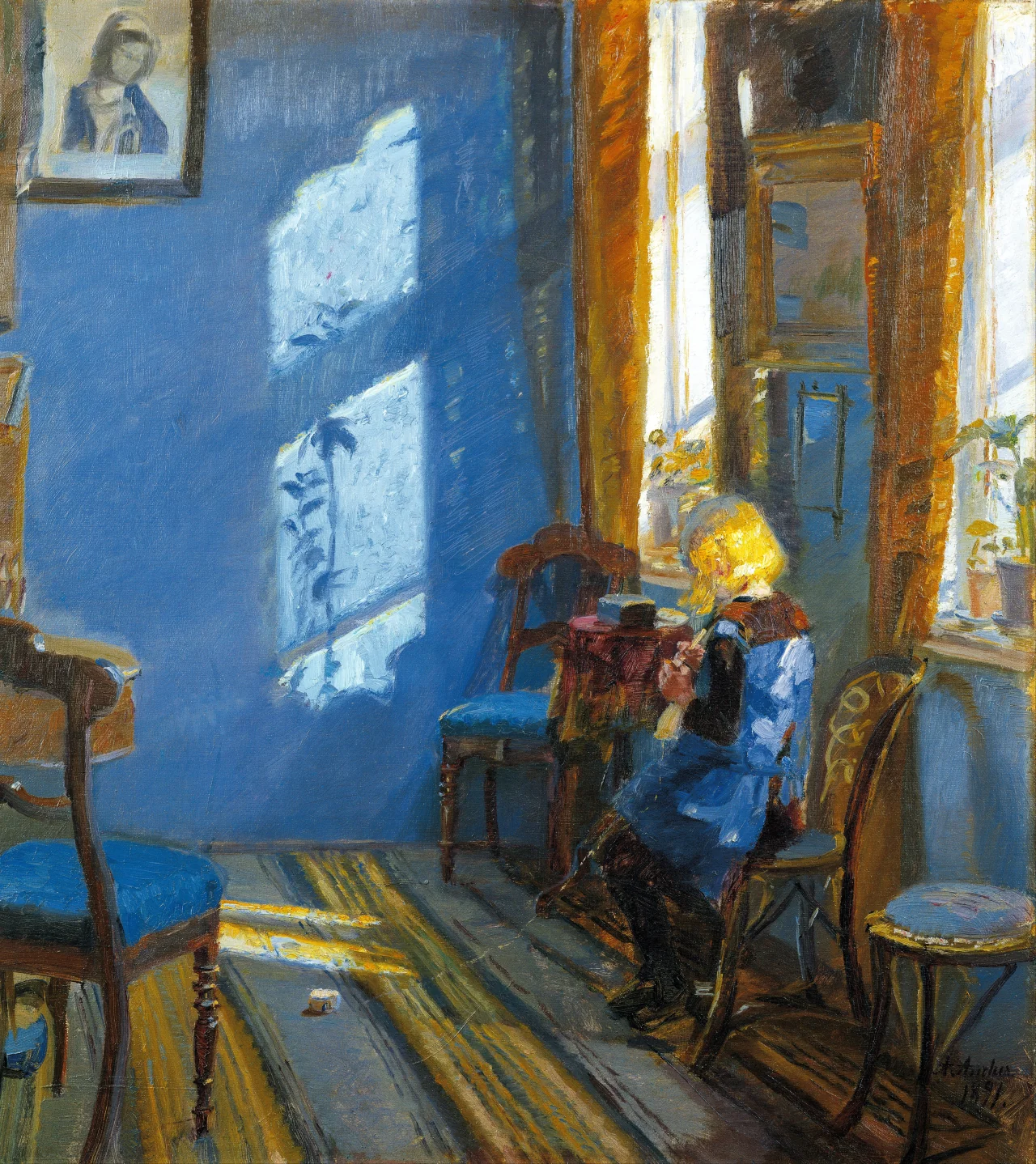
A Room Shared Three Ways
Anna Ancher’s Sunlight in the Blue Room joins a grandmother’s interior, a child’s handwork, and a painter’s color in one crowded family space.
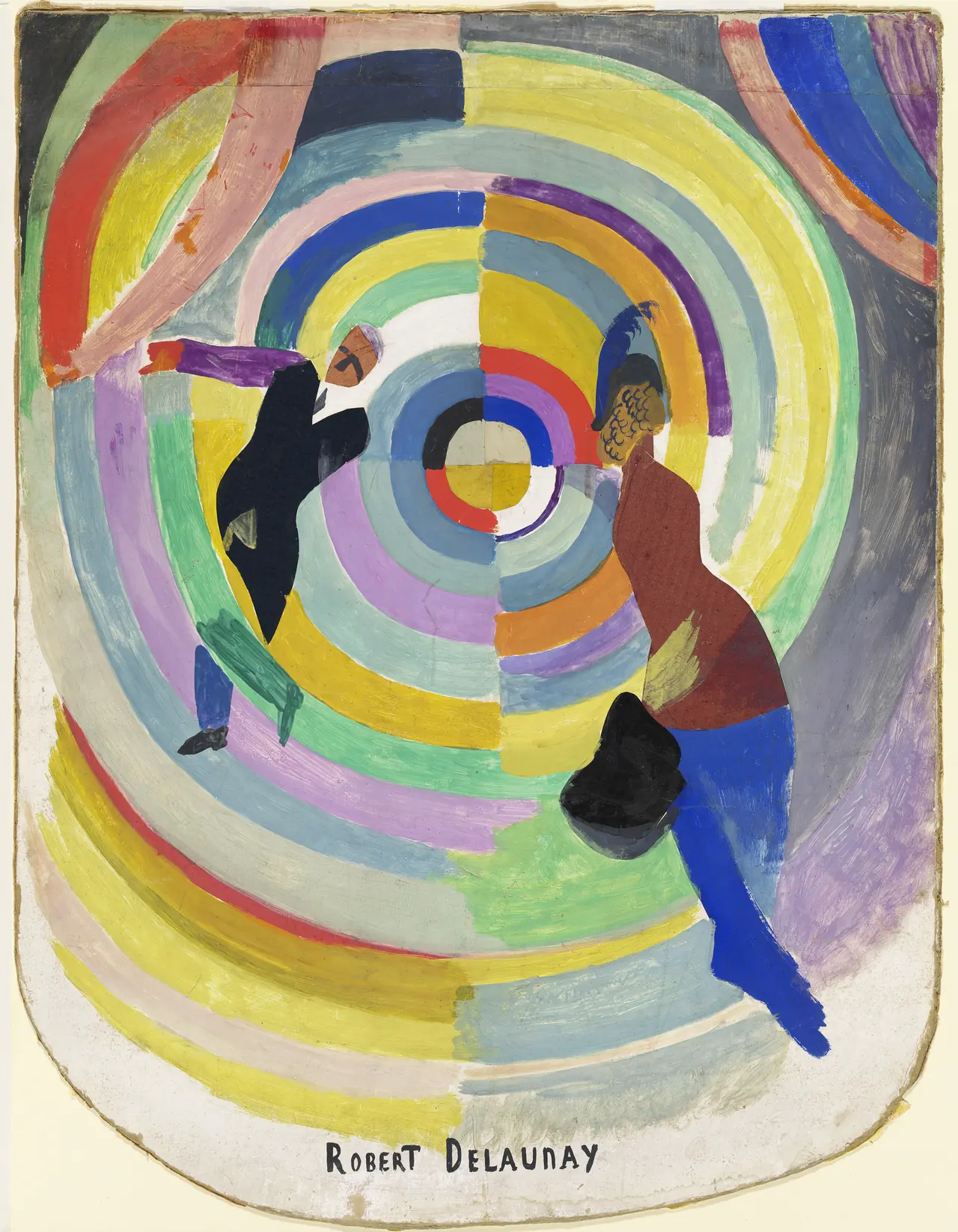
The Scandal After the Headline
Robert Delaunay’s Political Drama compresses a notorious newspaper image until names, room, and weapon disappear, leaving color to circulate the impact.
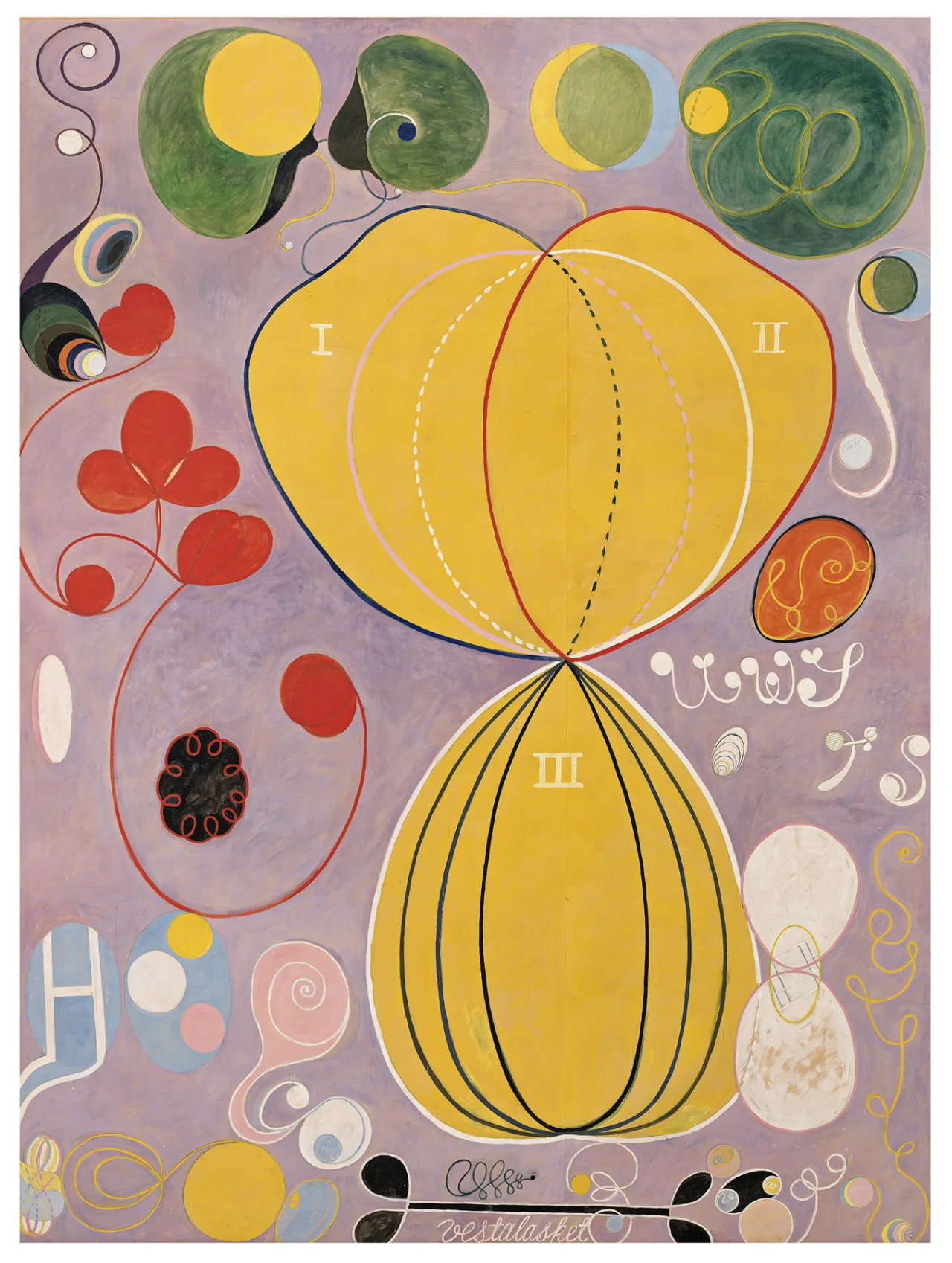
Adulthood Has No Answer Key
In The Ten Largest, No. 7, Hilma af Klint turns adulthood into a room-sized form crowded with labels, loops, and serious visual mischief.
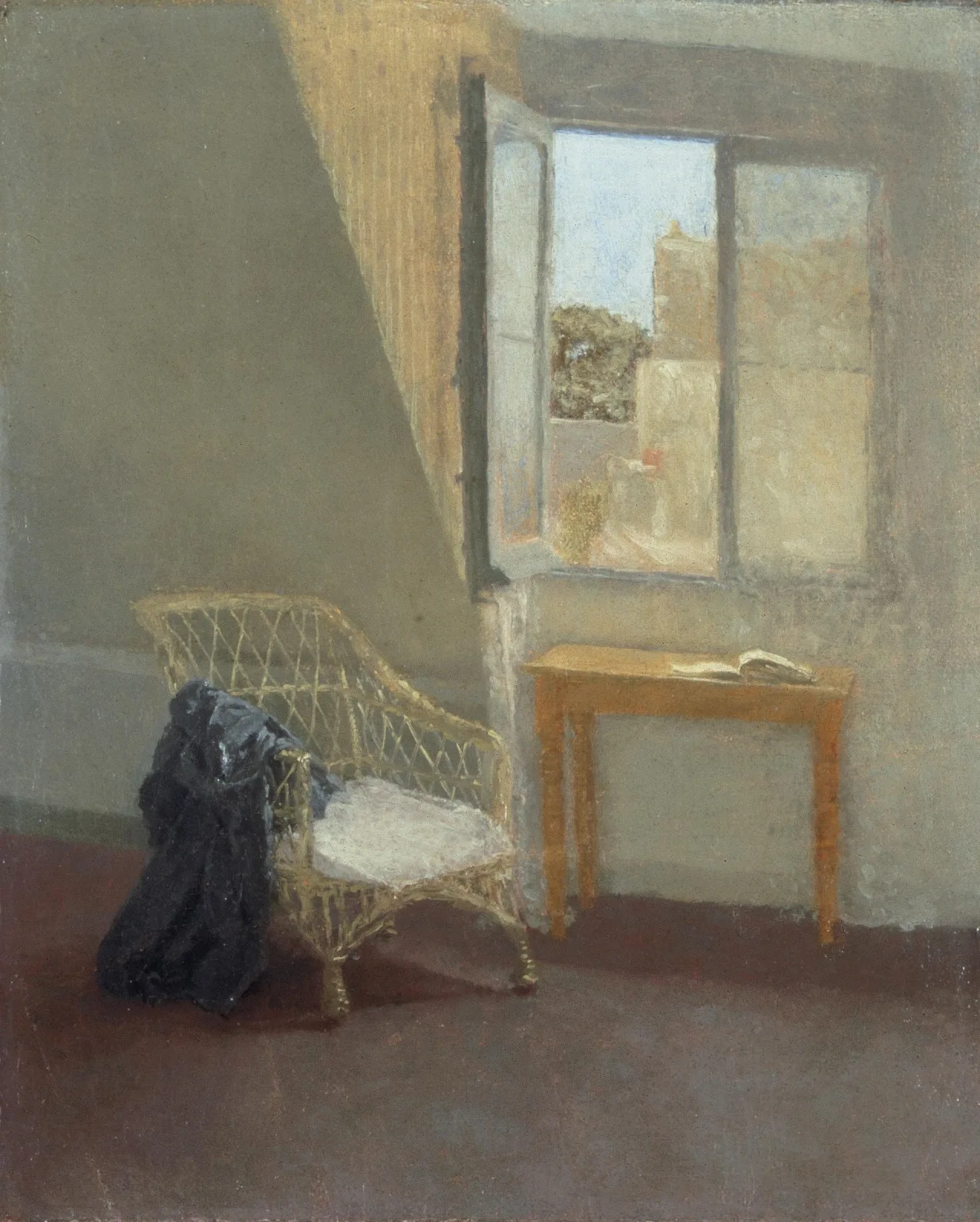
Two Ways Out of Gwen John’s Room
An open window and an open book turn Gwen John’s small Paris interior into a study of how attention travels.
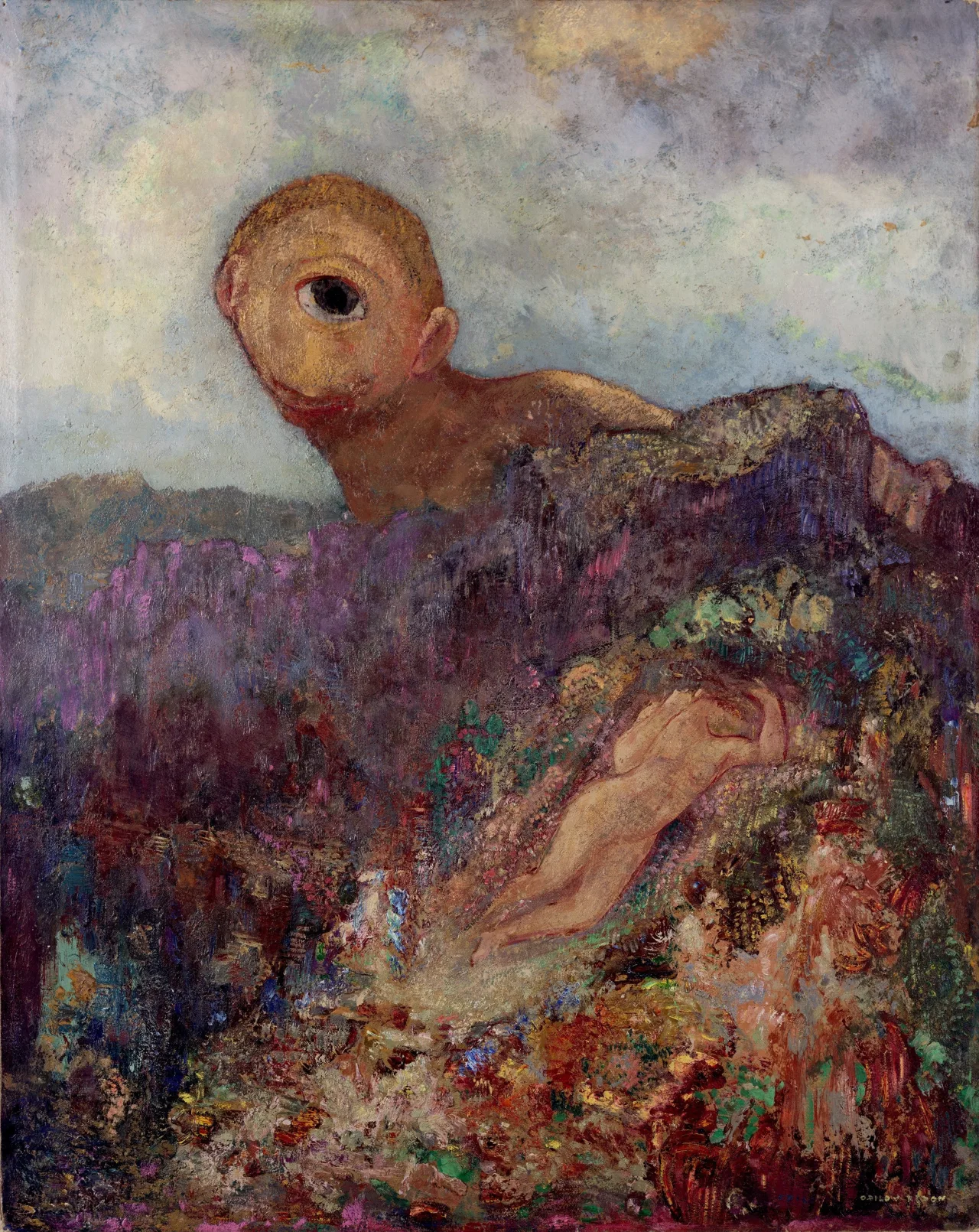
Polyphemus Puts On His Best Face
In The Cyclops, Odilon Redon turns mythic desire into an act of self-presentation, complete with flattering color and an audience that does not look.
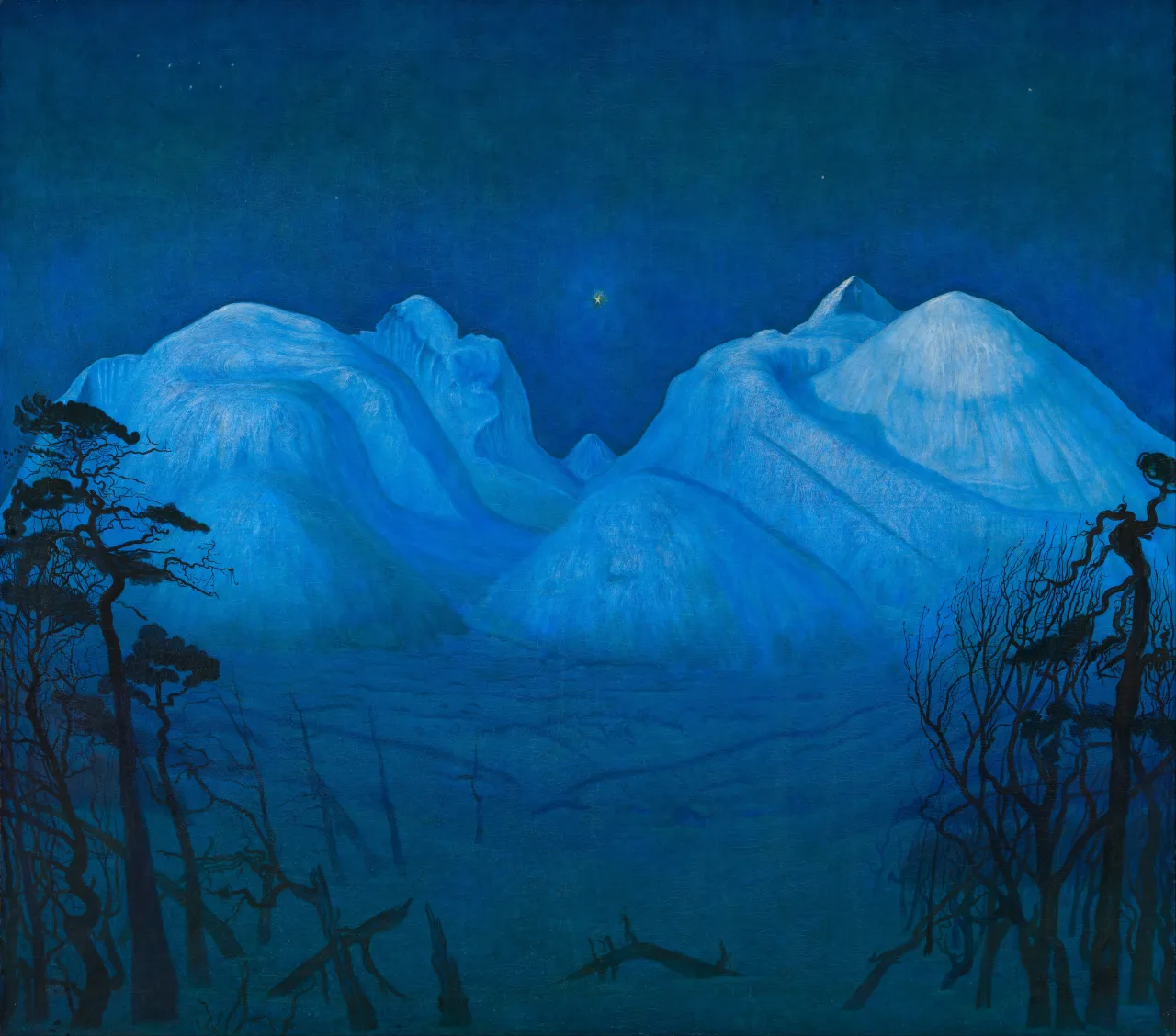
Fifteen Years Toward One Mountain Night
Harald Sohlberg built Winter Night in the Mountains through sketches, photographs, removals, and layers of paint until a remembered encounter became a public image.